
Frontline operations break down the moment corporate managers treat mobile floor staff like desk workers. When I ran distributed logistics operations across twelve regional fulfillment hubs, our biggest productivity sink was not equipment failure. It was broadcast fatigue. Implementing a disciplined communication cadence for distributed frontline teams resolved our dispatch delays and kept field operators focused on immediate operational realities rather than inbox clutter.
Desk workers absorb ambient context throughout an eight-hour day behind a browser. Distributed frontline crews work on their feet, surrounded by industrial noise, customer queues, and safety compliance demands. They consume information on five-inch mobile screens while wearing PPE, often during brief physical shift overlaps. Reaching them demands a predictable cadence anchored to shift patterns rather than head-office hours.
The Core Frontline Cadence Matrix
To run smoothly, frontline communication requires rigid temporal boundaries. Instead of random announcements, our sites established fixed operational intervals to eliminate noise.
| Cadence Interval | Channel & Format | Operational Focus | Action Window |
| Daily (Pre-Shift) | 5-minute standalone standup or mobile push | Immediate safety targets, volume quotas, station leads | Must consume within 10 min of clock-in |
| Daily (Ad-Hoc) | Push alert (frontline app / SMS) | Critical hazards, equipment lockouts, sudden stockouts | Immediate response (< 15 mins) |
| Weekly | 10–15 min floor walk-and-talk / audio sync | Performance bottlenecks, roster fixes, individual well-being | Completed before the weekend rotation |
| Monthly | 3-minute async video snippet or breakroom board | Cross-hub metrics, compliance milestones, peer wins | Consumed during paid shift lulls |
| Quarterly | Asynchronous briefing + mobile Q&A thread | Regional goals, operational shifts, safety awards | Available across all roster blocks |
This cadence limits random corporate chatter and keeps operators focused on physical tasks. According to Gallup, role clarity drives frontline retention faster than top-down executive pep talks.
Engineering the Asynchronous Shift Architecture
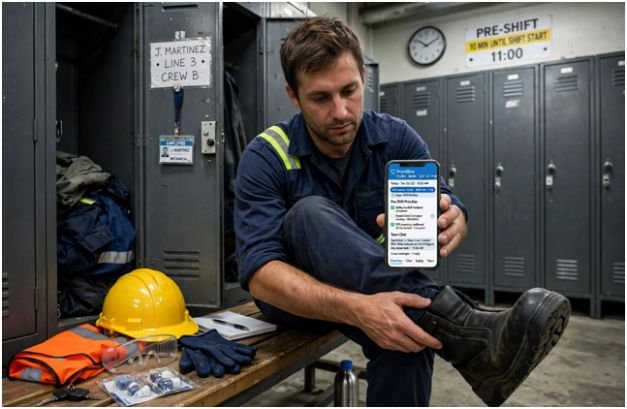
Distributed teams rarely share floor space at the same time. Trying to assemble night crews and morning crews for a unified live briefing disrupts production sleep schedules and triggers immediate disengagement.
Pre-Shift Broadcasts Over Real-Time Interruptions
Real-time interruptions destroy flow. We instituted a pre-shift delivery rule: essential shift bulletins must land inside the mobile frontline app exactly ten minutes before the rostered start time. Workers review priorities while putting on boots or gathering tools.
To keep this readable, enforce a strict Noise-to-Action Ratio: every ad-hoc message must demand a physical task within two hours. If it does not alter a process on the current shift, it belongs in the monthly digest.
This discipline helps prevent burnout among customer facing staff who are already stretched thin by constant operational friction.
Closing Shift Handover Protocols
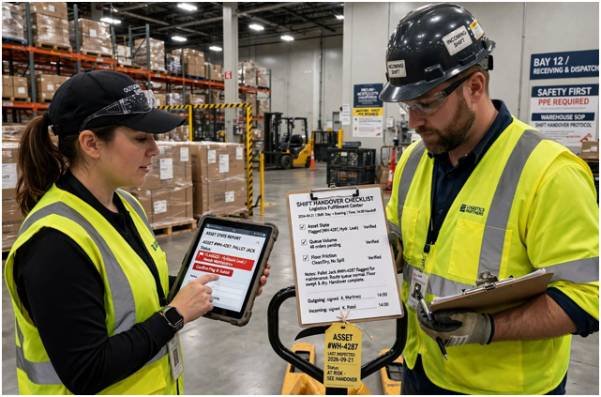
Information decay occurs during shift transitions. When the outgoing team leaves without logging equipment status or backlog counts, the incoming team spends their first hour solving mysteries.
| Handover Variable | Required Input | Outgoing Action | Incoming Verification |
| Asset State | Machine wear, offline units | Flag locked-out tools in app | Inspect physical tags |
| Queue Volume | Unprocessed orders, pallets pending | Submit tally before sign-off | Verify bay counts |
| Floor Friction | Blocked aisles, spill areas | Log location to maintenance | Confirm site safety |
Standardizing this exchange ensures incoming teams launch production within seconds of stepping onto the floor.
Two-Way Escalation Loops That Actually Work
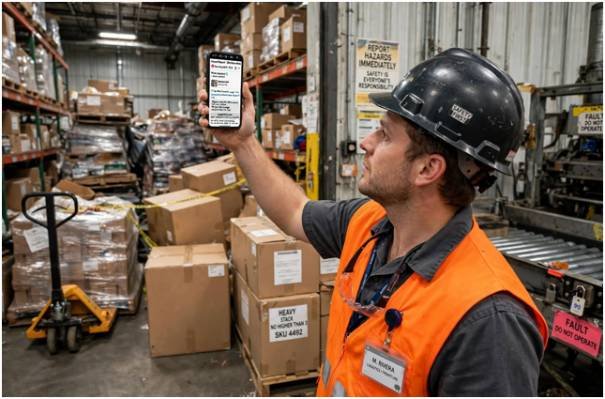
Top-down communication without an escalation path breeds operational paralysis. Frontline personnel spot process failures first. If submitting a hazard report requires navigating a desktop portal, workers ignore it.
We cut administrative friction by enabling 30-second mobile voice notes and direct photo uploads for hazard reporting. Linking these feeds directly to maintenance dispatch reduced safety incidents, echoing standards outlined by OSHA for active hazard tracking.
When friction arises over station assignments, leads must address it immediately. Knowing how to handle peer conflict among frontline workers on the floor keeps minor schedule disputes from snowballing into shift-wide walkouts.
Research published in Harvard Business Review shows that frontline agency directly correlates with reduced turnover on the operational line.
Frequently Asked Questions
1. What is the best channel for distributed frontline announcements?
A dedicated mobile-first frontline application with push alerts and read-receipt tracking outperforms email and generic messaging apps.
2. How often should frontline managers hold one-on-one meetings?
Run a 10-minute walk-and-talk check-in once per week during a physical shift overlap.
3. How do you prevent frontline alert fatigue?
Restrict real-time push alerts exclusively to time-critical safety warnings, system outages, and urgent inventory adjustments.
4. Can asynchronous communication work for shift safety handovers?
Yes, standardized digital checklists and brief video notes allow incoming crews to verify floor conditions without overlapping schedules.
Stop Broadcasting, Start Operationalizing
Frontline teams do not need more messages; they need fewer, sharper inputs that help them get through their shifts safely and efficiently. Audit your team’s communication logs from the past seven days.
Eliminate any corporate announcement that did not directly help a worker complete a task, protect their safety, or hit a physical target. Strip out the noise, lock your check-ins to shift boundaries, and let your operators do what they do best: build, serve, and deliver.
Leave a Reply