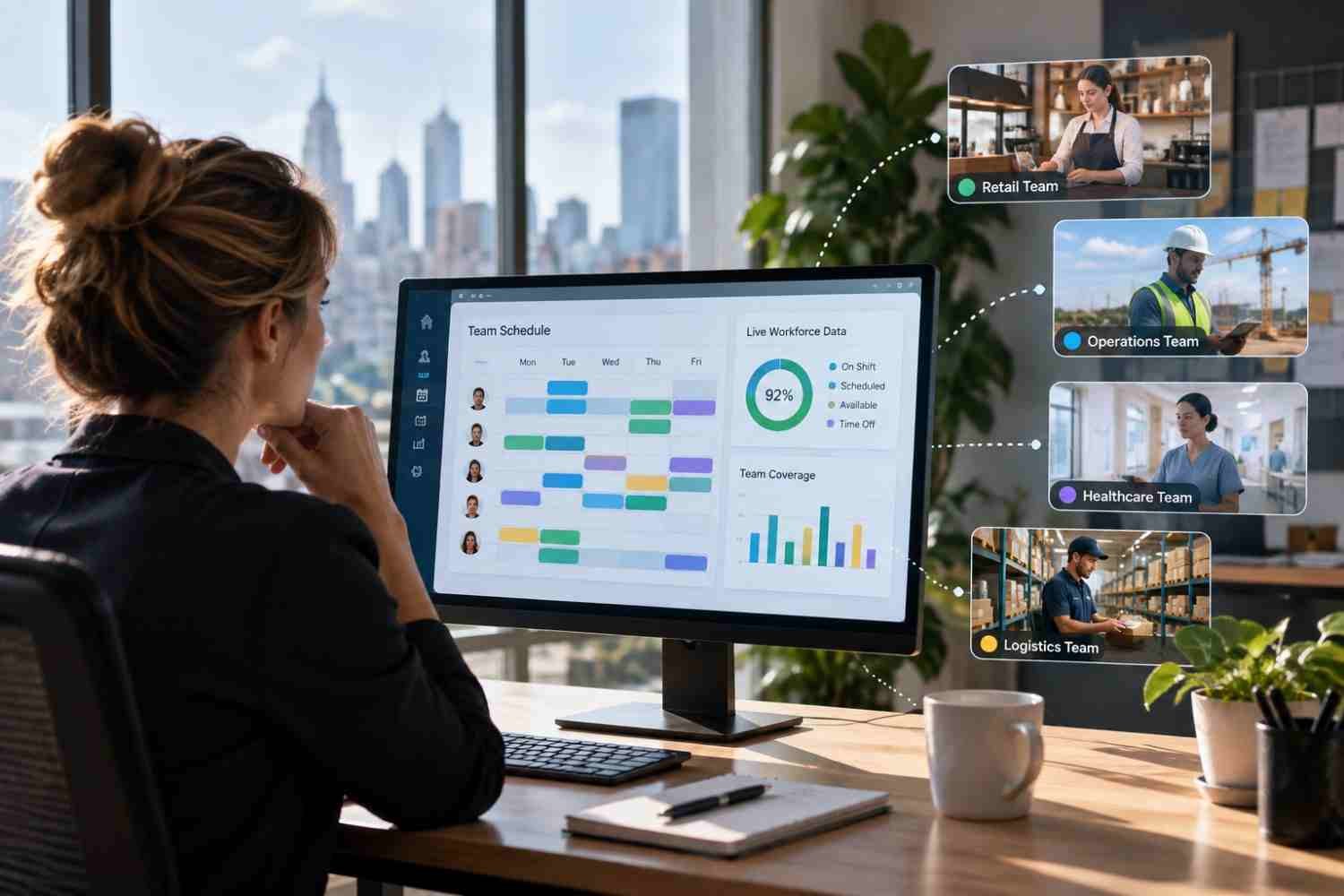
I started noticing how quickly a perfectly reasonable employee schedule can become outdated. A person calls out, customer traffic suddenly picks up, or someone works longer than planned, and the schedule no longer reflects what is actually happening. When managers are working from yesterday’s information, even a small change can create a bigger staffing problem.
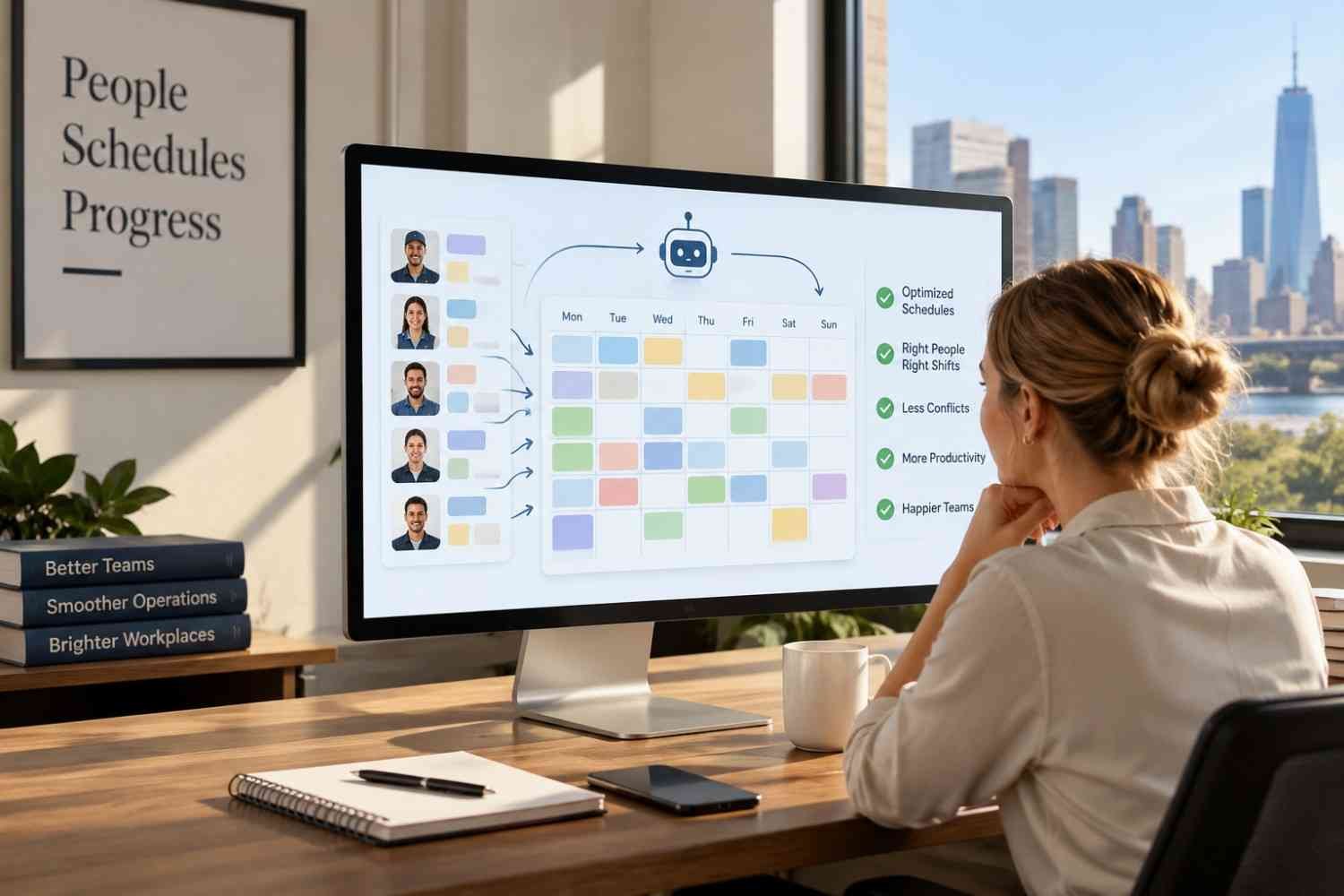
I also realized that scheduling is less about filling empty boxes on a calendar and more about making decisions with the information available at that moment. Real-time workforce data gives managers a clearer view of availability, attendance, demand, hours, and staffing gaps, making it easier to adjust schedules before a small issue turns into a shift-wide headache.
What Real-Time Workforce Data Actually Shows
Traditional scheduling often starts with information collected earlier: employee availability, expected demand, planned hours, and previous schedules. That information still matters, but it can become stale quickly. Real-time workforce data adds what is happening now.
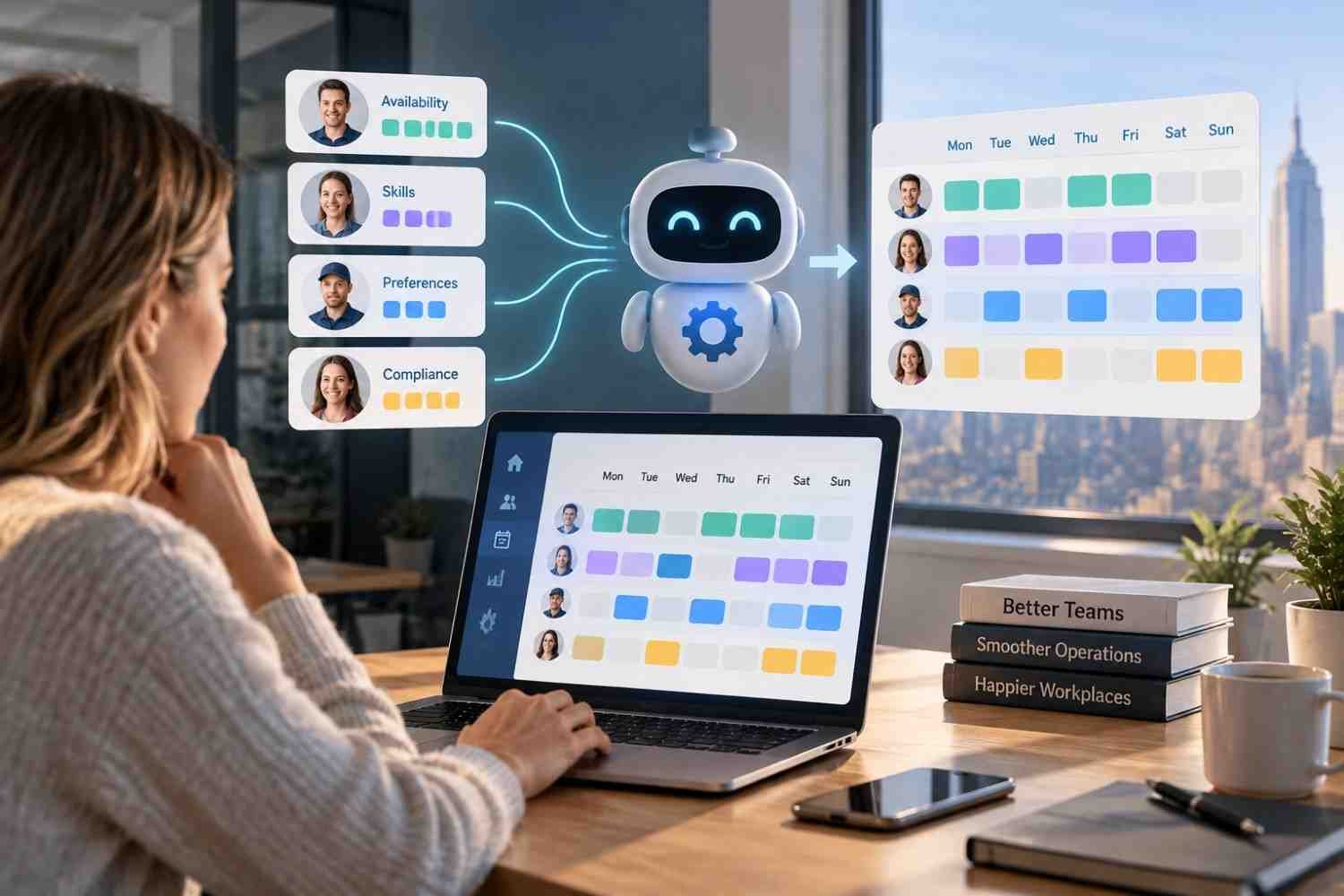
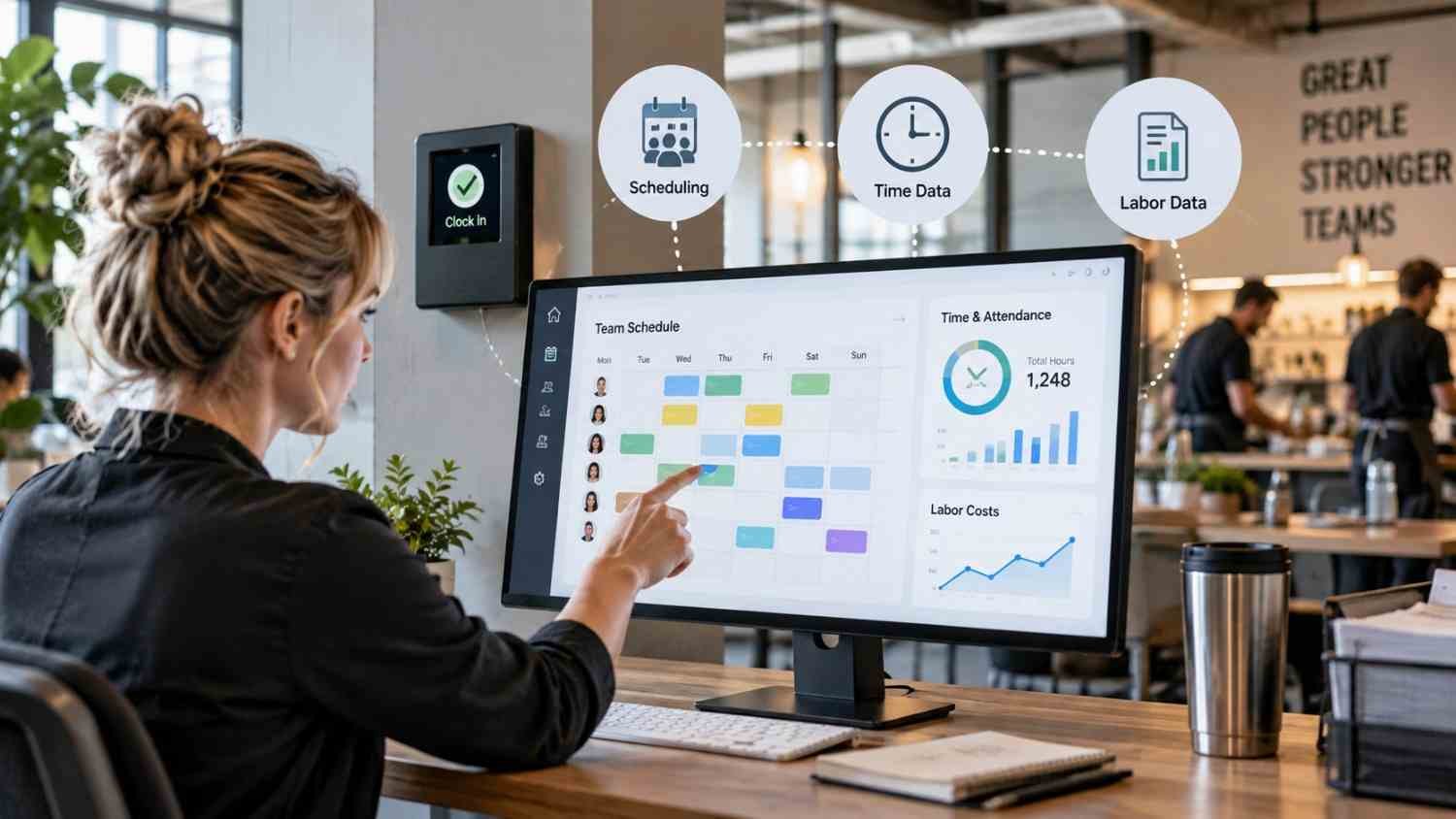
Managers can see who has arrived, who is absent, which shifts remain uncovered, how many hours employees have worked, and where staffing levels are changing. Depending on the system, they may also see updated availability, time-off requests, skills, labor costs, and demand signals.
Making Staffing Decisions Around Actual Demand

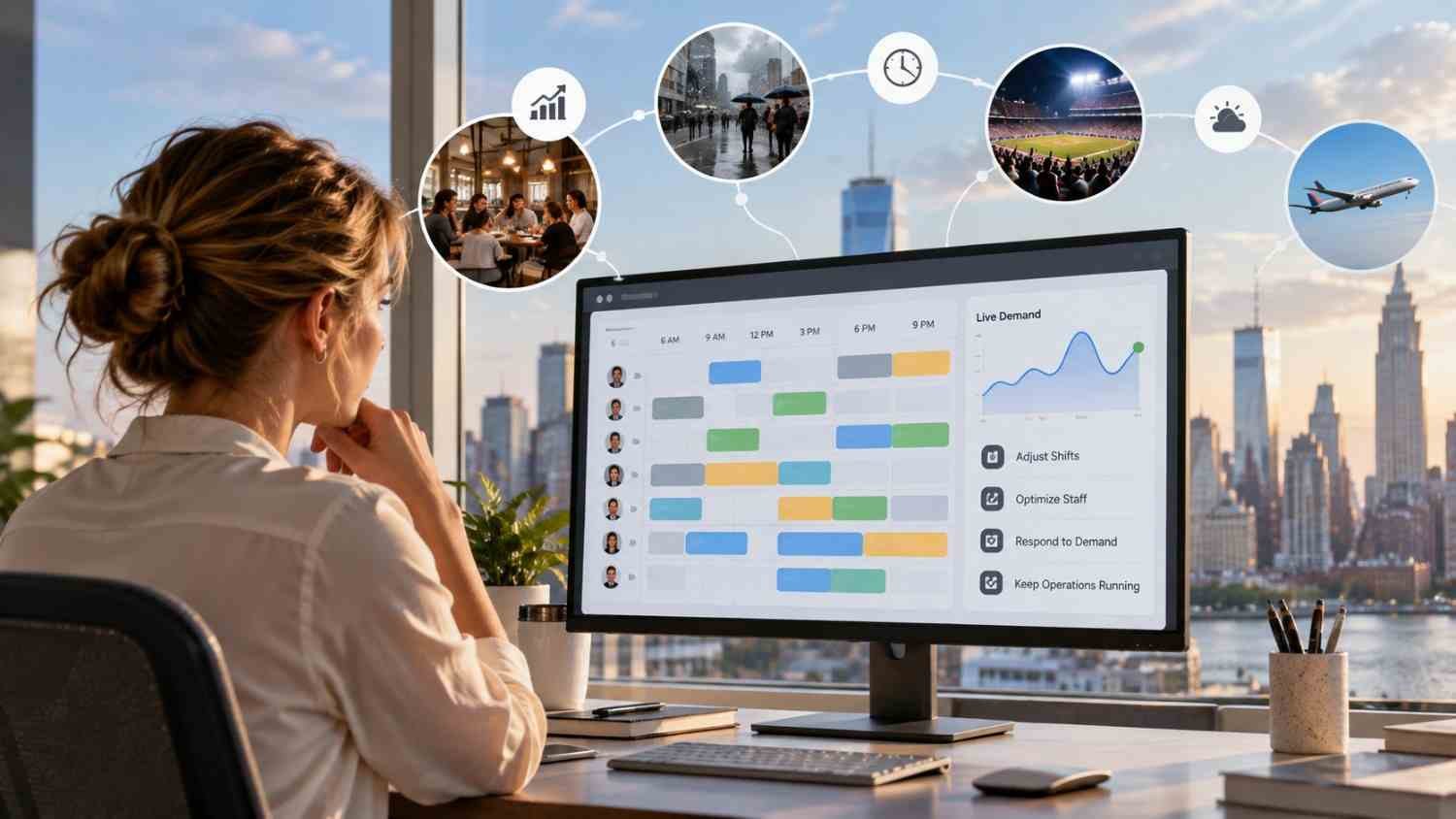
Employee scheduling works better when staffing levels reflect the work coming through the door. A store may be quiet during one part of the day and crowded an hour later. A restaurant can experience an unexpected rush. A service team may receive more requests than forecast.
Real-time demand signals help managers recognize these shifts sooner. They can add coverage when demand rises, avoid unnecessary staffing when activity slows, and make smaller adjustments instead of rebuilding an entire schedule.
The result is not simply a fuller schedule. It is a schedule that better reflects operational reality.
Handling Absences Before They Become Bigger Problems
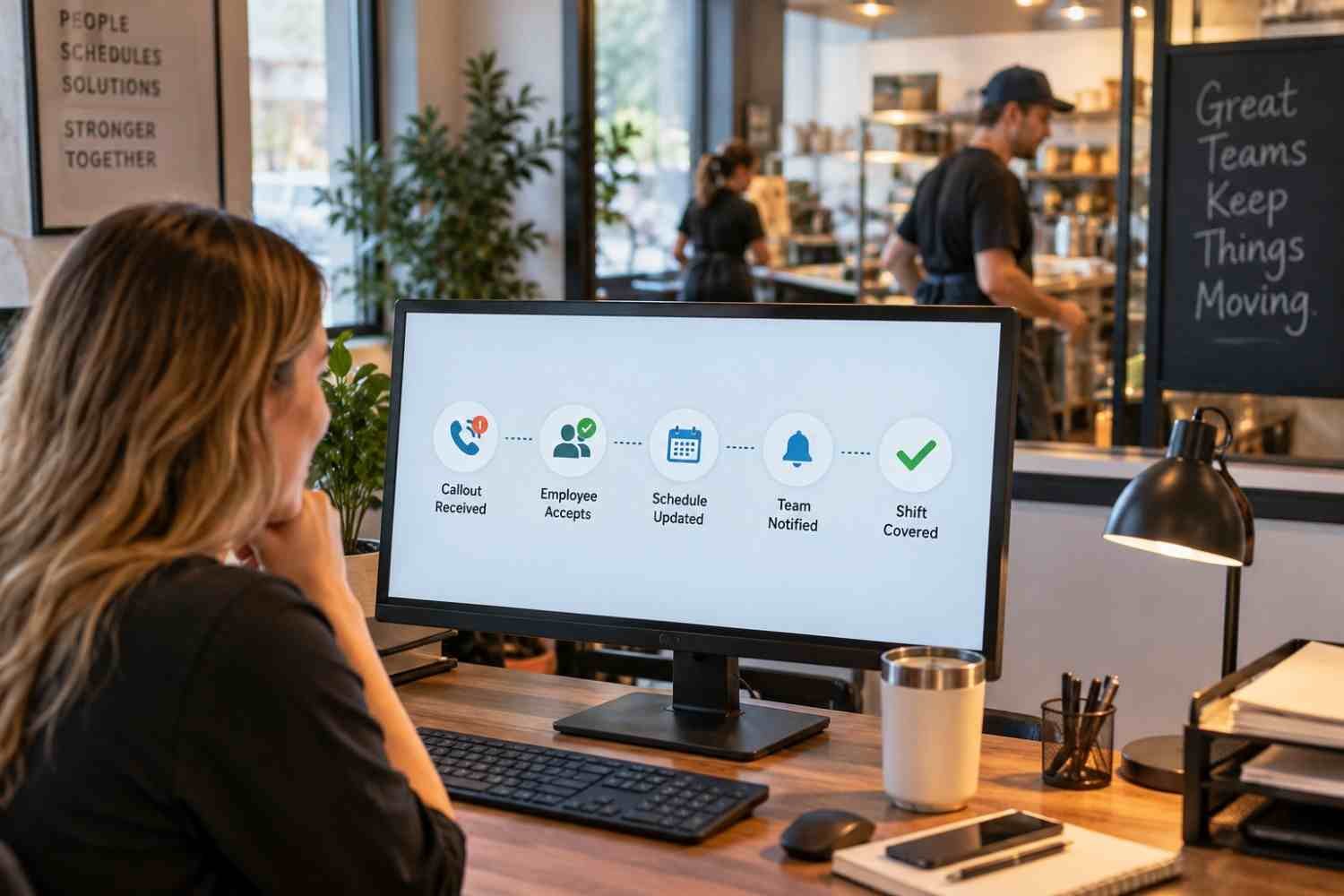
Last-minute callouts are one of the clearest examples of why live information matters. A schedule can look complete at 8 a.m. and have a serious gap minutes later.
Real-time workforce data can show the open shift, current employee availability, worked hours, and relevant qualifications. That gives managers a stronger basis for finding a replacement instead of contacting people randomly or relying on memory.
Tools built around workforce software for managing last minute employee callouts can make this process more organized. Managers can identify suitable employees, consider availability and workload, and communicate the change faster.
Keeping Labor Costs Under Control
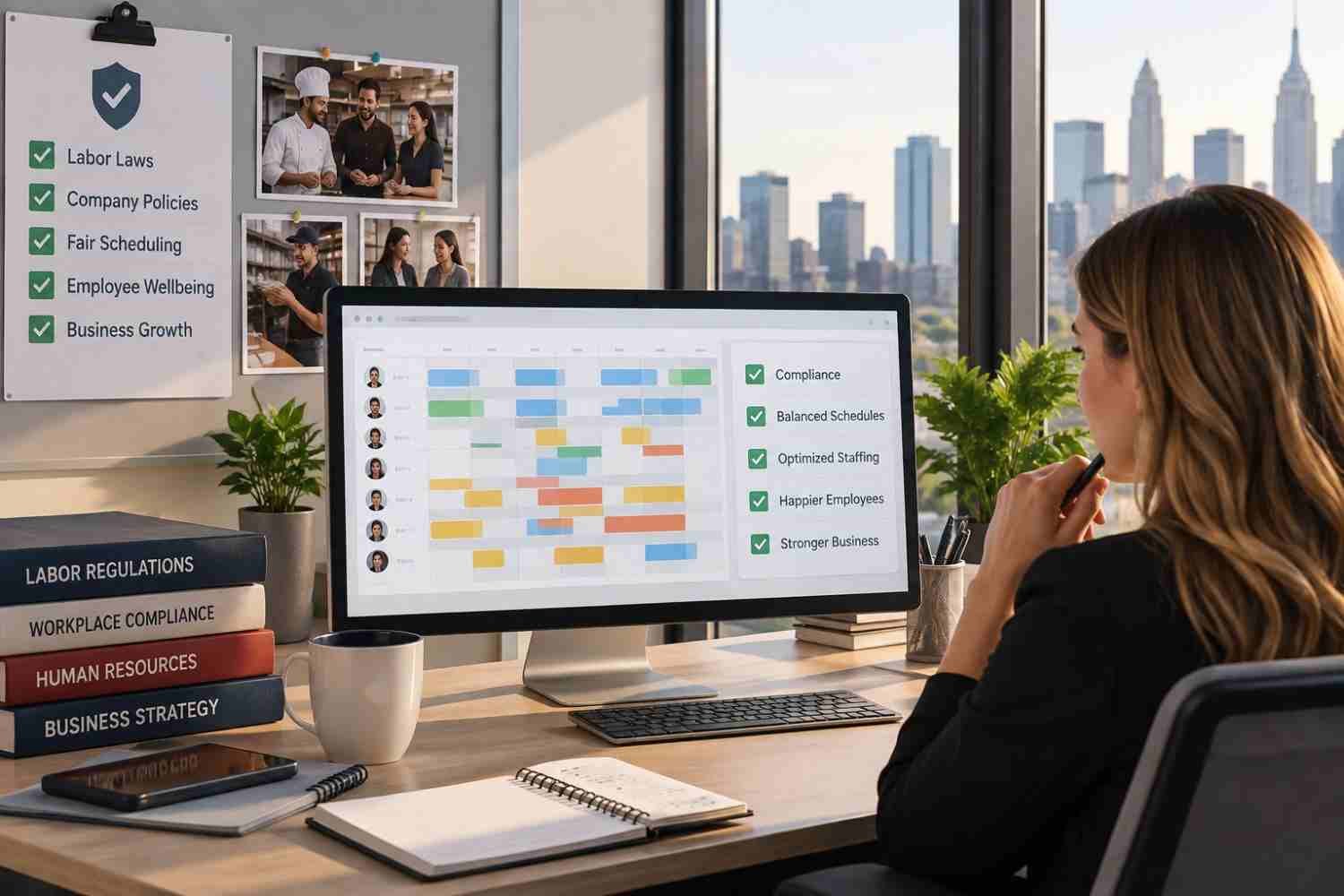
Scheduling decisions also affect labor costs. An employee who stays late may push a shift toward overtime. Adding another person may solve a coverage issue but create unnecessary labor expense if demand has already dropped.
Real-time workforce information helps managers see planned hours alongside actual hours. That makes it easier to spot potential overtime, uneven workloads, or staffing decisions that may push labor spending beyond expectations.
Coordinating Multiple Teams and Locations

Cross-team scheduling becomes more complicated when several departments, stores, or locations share employees. Without a common view, one manager may see an understaffed team while another sees spare capacity.
Real-time visibility can make those differences easier to identify. If one location becomes unusually busy while another is quieter, managers can review current staffing before deciding whether employees can be reassigned or additional coverage is needed.
Skills also matter. A person who is available is not automatically the right person for every shift. Scheduling decisions may need to account for certifications, experience, role requirements, or other qualifications.
Turning Schedule Changes Into Conversations
Data only becomes useful when people can act on it. If a manager sees an open shift but has no practical way to reach available employees, the information does not solve the problem.
Two-way communication can connect the scheduling decision with the employee response. Workers may be able to receive a shift offer, confirm availability, request changes, or respond to an update without waiting for a long chain of messages.
This is where employee scheduling tools with two way communication can make real-time scheduling more practical. Managers get a clearer response from employees, while employees have a direct way to communicate changes that could affect staffing.
Building a More Responsive Scheduling Habit
The biggest shift is not simply moving from paper schedules to software. It is moving from decisions based mainly on assumptions to decisions informed by what is actually happening. When managers can see demand, attendance, availability, hours, skills, and coverage changes together, they have a stronger foundation for adjusting work as conditions change.
Good scheduling will always involve some uncertainty. People get sick, customers arrive unexpectedly, priorities move, and business needs change. Real-time workforce data cannot remove those variables, but it can make the response more informed, coordinated, and timely.
FAQs: How Real-Time Workforce Data Improves Employee Scheduling Decisions Across Teams
1. What is real-time workforce data?
It is current information about staffing, such as attendance, availability, hours worked, open shifts, demand, and employee qualifications.
2. How does real-time data improve scheduling?
It helps managers compare current staffing with actual operational needs and make adjustments before coverage gaps become larger problems.
3. Can real-time workforce data reduce overtime?
It can help managers identify employees approaching overtime and consider alternative coverage before additional hours are assigned.
4. Is real-time scheduling fully automated?
Not necessarily. Software can surface information and recommendations, but managers can still apply context and judgment before making scheduling decisions.
Why Responsive Scheduling Becomes a Team Advantage
A schedule is never completely separate from the working day. It affects customer service, employee workload, labor spending, and the ability of teams to respond when plans change. The more current the information behind those decisions, the easier it becomes to spot problems early and make sensible adjustments. The real advantage is not having more data for its own sake. It is having useful information at the moment a scheduling decision actually needs to be made. That makes scheduling less about reacting to surprises and more about keeping teams prepared as conditions change throughout the day.
The real advantage is not having more data for its own sake. It is having useful information at the moment a scheduling decision actually needs to be made.