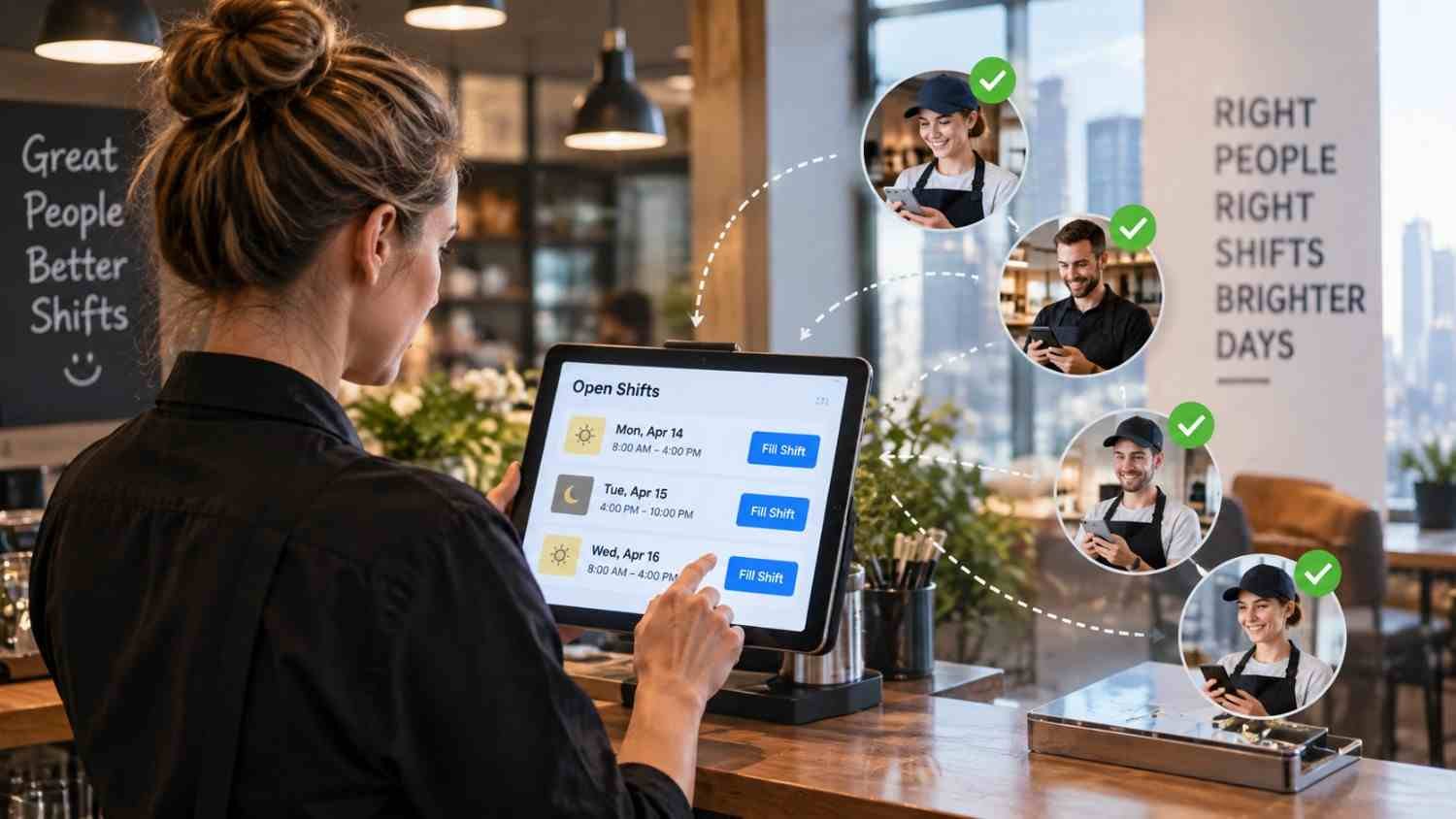
I have noticed that a staffing schedule can look settled until one employee calls out. A single empty shift can quickly turn into texts, phone calls, schedule checks, and last-minute decisions about who can actually step in. What feels like a small change on paper can consume a significant amount of a manager’s time.
I have also found that the hardest part is not simply finding someone who is willing to work. The replacement needs to be available, qualified, within reasonable hour limits, and suitable for the role. That is where intelligent shift coverage software can change the process, turning an urgent staffing problem into a structured decision instead of a frantic search.
Why Open Shifts Create More Work Than Expected
An open shift creates a chain reaction. Managers may need to check availability, review qualifications, compare scheduled hours, contact several employees, wait for replies, and update the roster. When the shift starts soon, every minute spent coordinating coverage adds pressure.
Intelligent shift coverage software brings these factors into one workflow. Instead of asking managers to remember every scheduling rule, the system can filter potential replacements using current workforce information. That does not remove human judgment. It gives managers a shorter, more relevant list to work from.
What Makes Shift Coverage Software Intelligent?
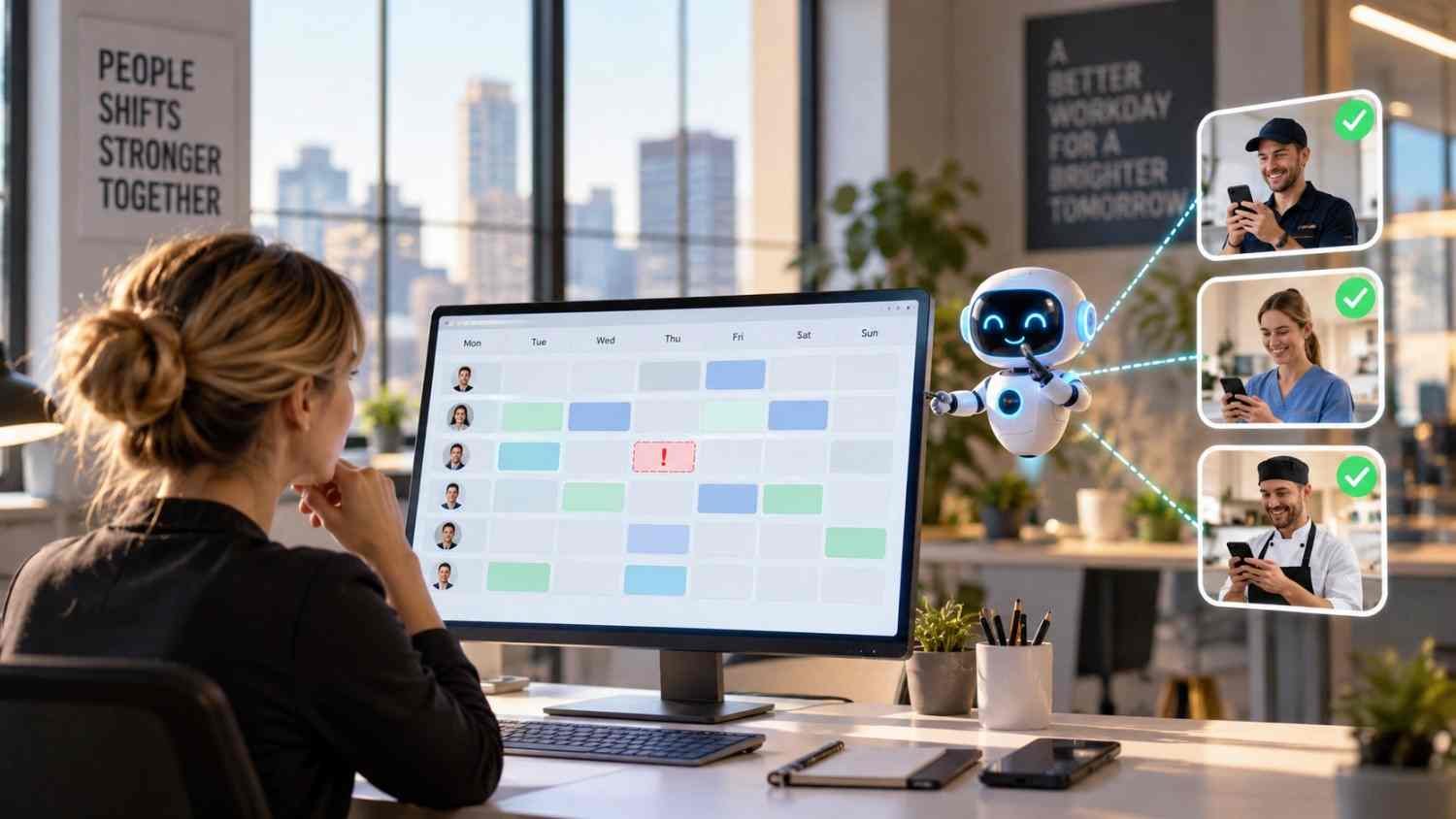
Basic scheduling software can display an empty shift. More advanced systems help determine who should be offered that shift. Matching can consider availability, qualifications, experience, department, location, scheduled hours, and other rules configured by the business.
That distinction matters. Sending an open shift to every employee may produce a fast response, but it can also create unnecessary notifications and unsuitable claims. A smarter approach narrows the pool first, then presents the opportunity to people who are actually eligible.
Some platforms let employees claim open shifts through a mobile app, while managers can require approval before the assignment becomes official.
How Software Finds Better Coverage Options
The process usually starts when a manager creates or identifies an open shift. The system then checks the rules attached to that shift and compares them with employee records. Candidates who do not meet basic requirements can be excluded before the opportunity is offered.
The remaining employees can receive notifications, claim the shift, or be presented as recommended options. Managers can then consider labor costs, overtime exposure, and compliance before approving the change.
This matters when several people could cover the same shift. The objective is not simply to fill the first vacancy. It is to make a coverage decision that fits the wider schedule. That difference can keep a small absence from disrupting the entire operation quickly.
Real-Time Data Makes Coverage Decisions More Practical
A coverage system is only as useful as the information behind it. If availability records, time-off requests, current schedules, or employee hours are outdated, even an intelligent matching process can produce weak options.
That is why real-time workforce information matters. When scheduling data changes, the replacement process can respond to the latest version rather than relying on yesterday’s spreadsheet or an old group message. Some scheduling platforms allow employees to update availability from their phones and notify managers when schedules change.
How real time workforce data improves employee scheduling decisions becomes especially relevant when managers are making decisions under pressure. Current information gives them a clearer view of who can work, who should not be assigned, and what consequences a replacement may create elsewhere in the roster.
Handling Last-Minute Callouts Without the Scramble
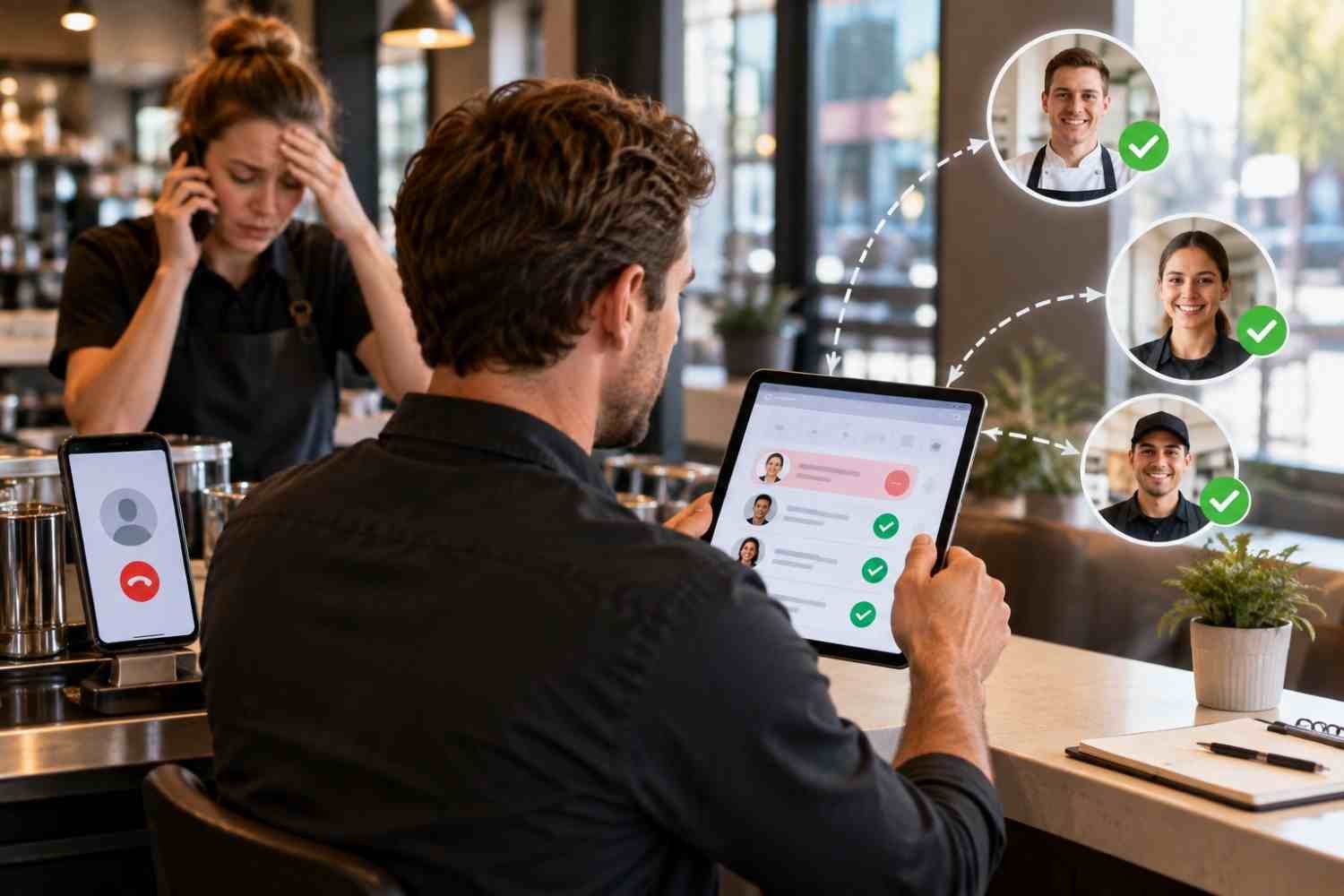
Callouts are where coverage automation becomes useful. Instead of starting with a long contact list, managers can publish the opening to an appropriate pool and let eligible employees receive the opportunity immediately.
Push notifications and employee self-service can shorten the back-and-forth. When someone accepts, the schedule can be updated so managers and employees see the same assignment. Some platforms also support shift swaps, allowing employees to help resolve schedule conflicts themselves while managers retain approval controls.
Workforce software for managing last-minute employee callouts can therefore reduce the administrative burden without handing every scheduling decision to an algorithm. The system handles repetitive coordination, while managers remain responsible for exceptions and decisions that require context.
What Businesses Should Look For
Not every shift coverage platform works the same way. Businesses should look beyond claims about automation and examine how the software handles real scheduling situations.
Useful capabilities include:
- Skills and qualification filters that prevent unsuitable employees from claiming certain shifts.
- Availability, overtime, and scheduling-rule checks that help managers avoid creating a second problem while solving the first.
Real-time notifications are another practical consideration. If employees hear about an opening quickly, the business has a better chance of filling it before the shift becomes an emergency. Mobile access also matters for teams that do not spend their workday at a desk.
A Better Way to Think About Shift Coverage
The real value of intelligent shift coverage software is not that it makes staffing problems disappear. Callouts and unexpected absences will always happen. The difference is how much friction follows them.
A well-designed system can turn an open shift into a manageable workflow: identify the gap, filter eligible employees, notify the right people, review the response, and update the schedule. That gives managers more time for work that requires judgment.
FAQs: Intelligent Shift Coverage Software: Smarter Ways to Fill Open Shifts
1. What is intelligent shift coverage software?
It helps businesses identify and fill open shifts by comparing employee availability, qualifications, schedules, and other staffing rules.
2. Can employees claim open shifts themselves?
Yes. Many platforms let eligible employees view and claim open shifts through a mobile app, with manager approval available when needed.
3. How does software help with last-minute callouts?
It can quickly identify eligible employees, send notifications, collect responses, and update the schedule after coverage is approved.
4. Does intelligent coverage software replace managers?
No. It automates repetitive matching and communication, while managers can retain control over approvals, exceptions, labor decisions, and unusual staffing situations.
Leave a Reply