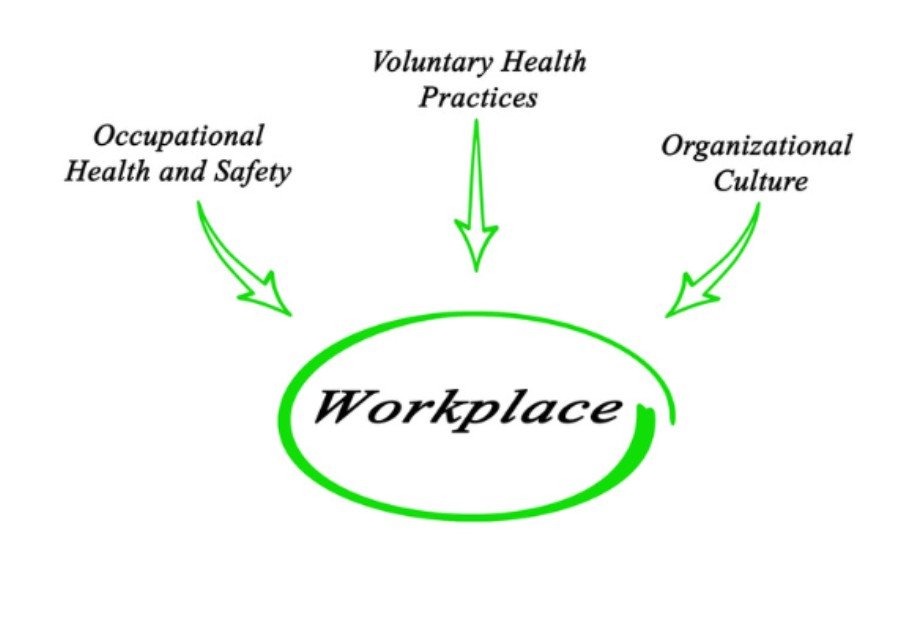
I have seen organizations spend heavily on benefits, social events, and stylish offices while overlooking the daily experiences that truly shape their culture. Employees judge a workplace by how leaders communicate, whether managers behave fairly, and whether people feel safe expressing concerns. Learning how to create a positive workplace culture therefore begins with improving everyday behavior—not introducing superficial perks.
A healthy culture cannot be built through one policy or motivational speech. It develops when values, leadership decisions, employee experiences, and workplace systems consistently support one another.
What Is a Positive Workplace Culture?
A positive workplace culture is an environment where employees feel respected, supported, included, and connected to a shared purpose. People understand what is expected of them, have the resources required to succeed, and trust that leaders will treat them fairly.
This does not mean everyone must always agree or remain cheerful. Healthy workplaces still experience pressure, mistakes, and disagreements. The difference is that employees can discuss problems honestly, learn from failures, and resolve conflict without humiliation, retaliation, or unnecessary fear.
Why a Healthy Workplace Culture Matters
Culture influences how employees communicate, make decisions, serve customers, and respond to change. When people feel valued and psychologically safe, they are more willing to contribute ideas, ask for assistance, and accept responsibility.
A strong culture can also improve retention. Employees are less likely to search for another job when they trust their managers, see opportunities for development, and believe their work matters. Organizations benefit through lower recruitment costs, better teamwork, stronger productivity, and a more attractive employer reputation.
Assess the Existing Employee Experience

Before changing workplace culture, leaders need an honest understanding of current conditions. Employee surveys, confidential exit interviews, small-group discussions, exit interviews, absenteeism records, and turnover data can expose patterns that senior leaders may not see.
Questions should examine trust, workload, recognition, fairness, communication, inclusion, development, and manager effectiveness. Leaders must then share the main findings and explain what will change. Asking for feedback without acting on it can weaken trust rather than strengthen it.
Define Values as Observable Behaviors
Words such as integrity, respect, and teamwork sound impressive, but employees need to understand what those values look like in practice. Respect could mean listening without interrupting, responding to messages within an agreed period, and challenging ideas without attacking people.
Each value should be connected to several observable behaviors. Those behaviors must guide hiring, onboarding, performance reviews, promotions, recognition, and disciplinary decisions. When high-performing employees are allowed to ignore the standards, the stated values quickly lose credibility.
Require Leaders to Model the Culture
Employees pay closer attention to leadership behavior than corporate statements. A manager who requests honest feedback but becomes defensive when challenged teaches employees to remain silent.
Leaders should admit mistakes, explain important decisions, keep reasonable promises, and apply rules consistently. They also need training in coaching, conflict resolution, inclusive communication, and performance management. Technical expertise alone does not prepare someone to lead people effectively.
Create Psychological Safety
Psychological safety allows employees to raise concerns, offer different opinions, and acknowledge mistakes without expecting embarrassment or retaliation.
Learning how to create psychological safety at work can help leaders build an environment where employees feel comfortable speaking up, sharing ideas, and discussing problems.
Leaders can strengthen it by inviting questions, responding calmly to criticism, and treating reasonable failures as opportunities to learn.
Employees also need reliable reporting options for bullying, harassment, discrimination, and unethical conduct. Complaints should be handled confidentially, promptly, and consistently. A respectful environment depends on accountability as much as encouragement.
Make Communication Predictable

Uncertainty encourages rumors and mistrust. Organizations should establish dependable communication routines, such as team meetings, individual check-ins, written updates, and opportunities to question senior leaders.
Transparent communication does not require disclosing every confidential detail. It means sharing what can be shared, explaining why some information is restricted, and avoiding misleading promises. Remote, frontline, part-time, and shift-based employees should receive the same essential information as office teams.
Recognize Meaningful Contributions
Recognition helps employees understand which efforts and behaviors matter.
Learning how to improve employee morale at work can help leaders use recognition, feedback, and supportive practices to strengthen employees’ overall workplace experience.
Effective appreciation is timely, specific, fair, and connected to genuine contributions. A manager should explain what the employee did, why it helped, and how it supported the team or organization.
Recognition can include private thanks, public acknowledgement, development opportunities, additional responsibility, or appropriate rewards. Leaders should learn how individuals prefer to be recognized because public praise may motivate one employee and embarrass another.
Support Growth and Internal Opportunity
Employees are more invested when they can see a future within the organization.
Effective employee cross-training can give employees opportunities to develop new skills, understand different roles, and take on broader responsibilities.
Managers should discuss career goals, provide constructive feedback, and offer access to training, mentoring, job shadowing, and stretch assignments.
Development opportunities must be distributed fairly. If the same visible employees receive every important assignment, others may conclude that progression depends on favoritism rather than ability.
Protect Well-Being and Work-Life Boundaries
A workplace cannot claim to value well-being while rewarding constant availability and excessive workloads. Leaders should examine staffing levels, deadlines, meeting habits, break practices, and after-hours communication.
Flexibility can help, but it should not replace manageable workloads. Managers must notice signs of burnout, discuss task priorities, and remove unnecessary work where possible. Supporting well-being means improving how work is designed, not placing the entire responsibility on employees.
Build Inclusion Into Daily Operations

Inclusion means people have meaningful access to information, opportunities, decision-making, and recognition. Employers should examine whether meetings, promotions, workplace technology, social activities, and benefits unintentionally exclude particular groups.
Recruiting for “culture add” can be more useful than hiring for “culture fit.” Candidates can share the organization’s essential values while bringing different experiences, perspectives, and approaches that help the culture evolve.
Measure Culture and Maintain Accountability
Culture should be measured through a combination of employee feedback and operational evidence. Useful indicators include voluntary turnover, regrettable turnover, absenteeism, internal promotions, survey participation, recognition frequency, psychological-safety scores, and complaint-resolution times.
Leaders should select a small group of meaningful measures, establish a baseline, and review progress regularly. Results should be divided by team or employee group where appropriate because an organization-wide average can conceal serious local problems.
A Practical 90-Day Improvement Approach
During the first 30 days, gather employee feedback, review workforce data, and identify the behaviors creating the greatest harm. During the next 30 days, define expected behaviors, train managers, and address one or two high-impact concerns.
In the final 30 days, introduce communication and recognition routines, assign responsibility for each initiative, and publish an update explaining the progress made. Culture improvement should then continue through regular reviews rather than ending after one campaign.
Frequently Asked Questions
1. Why does workplace culture usually fail to improve?
Improvement often fails when leaders introduce slogans without changing management behavior, workloads, rewards, promotions, or accountability.
2. How long does cultural change take?
Small improvements may appear within weeks, but lasting change generally requires months of consistent leadership behavior and system-level reinforcement.
3. Who is responsible for workplace culture?
Senior leaders establish priorities, managers shape daily experiences, and employees influence team behavior. However, leaders hold the greatest responsibility because they control policies, resources, and consequences.
4. How to create a positive workplace culture in a small organization?
Begin with clear expectations, regular conversations, fair recognition, manageable workloads, and prompt action when harmful behavior occurs. Small organizations can improve quickly because communication channels are shorter.
Moving Forward
I believe the most reliable culture strategy is also the simplest: make every workplace decision consistent with the experience the organization promises its employees. Leaders should listen carefully, act visibly, measure honestly, and correct behavior that contradicts shared values.
A positive culture is never permanently completed. It is maintained through thousands of decisions about communication, opportunity, workload, recognition, and accountability. When those decisions repeatedly demonstrate respect and fairness, employees do not merely hear the organization’s values—they experience them.
Leave a Reply