
I have seen how quickly overtime can move from an occasional necessity to an expensive operating habit. A missed shift, inaccurate forecast, or poorly distributed schedule may appear insignificant, but repeated problems can push labor costs far beyond the original budget. Workforce analytics tools for reducing overtime help managers identify these patterns early, understand their causes, and make better staffing decisions before additional hours become unavoidable.
These platforms do more than report the overtime recorded during the previous pay period. They connect schedules, attendance, employee availability, skills, absences, workload and labor costs. The resulting insights allow managers to anticipate staffing problems, redistribute hours and create schedules that support both operational needs and employee well-being.
Why Overtime Becomes a Recurring Problem
Excessive overtime is not always caused by an insufficient number of employees. A business may have adequate headcount but still experience premium labor costs because qualified workers are assigned unevenly or managers cannot see who is approaching an overtime threshold.
Absenteeism is another major cause. When an employee calls out unexpectedly, a manager may assign the shift to the most familiar or experienced worker without checking their accumulated hours. Skill concentration creates a similar problem. If only two employees can complete a particular task, they are likely to receive additional hours whenever demand increases.
Inaccurate workload forecasts, late schedule publication, inefficient shift structures and unauthorized early starts can also contribute. Analytics software helps managers separate these causes instead of treating every overtime problem as evidence that more employees must be hired.
How Workforce Analytics Prevent Excessive Overtime
Historical Analytics Reveal Recurring Patterns
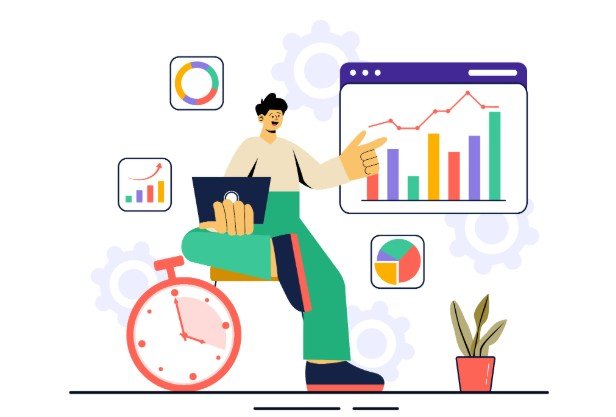
Historical reports show when, where and why overtime has already occurred. Managers can review premium hours by employee, department, location, shift, role or supervisor. This makes it easier to determine whether the problem is seasonal, connected to absenteeism, concentrated within a particular team, or produced by poor schedule design.
For example, consistently high overtime on weekend shifts may indicate insufficient availability rather than a general staffing shortage. Repeated overtime within one skilled role may reveal a training gap. These insights help managers correct the underlying issue instead of repeatedly covering it at premium rates.
Real-Time Monitoring Creates Time to Intervene
Traditional payroll reports reveal overtime after the cost has already been incurred. Real-time analytics show scheduled and worked hours while the pay period is still active.
Managers can receive an alert when an employee approaches a daily or weekly threshold. They may then shorten an upcoming shift, assign part of the workload to another qualified employee, approve a shift swap or offer an open shift to someone with available regular hours.
The most effective alerts are actionable. They identify the employee at risk, the projected number of additional hours, the expected cost and the available scheduling alternatives.
Predictive Analytics Anticipate Staffing Demand
Predictive systems examine historical workload, sales, appointments, production levels, seasonal activity and attendance trends. They use this information to estimate how many employees will be needed for an upcoming period.
Better demand forecasts reduce both understaffing and unnecessary labor. Managers can schedule enough people for busy periods without automatically repeating a previous schedule that no longer reflects actual demand. Predictive attendance models can also identify shifts with a higher risk of absence, allowing backup coverage to be arranged earlier.
Prescriptive Tools Recommend Better Decisions
Advanced platforms move beyond forecasting and recommend specific actions. When an open shift appears, the system may identify qualified employees based on availability, accumulated hours, skills, location and labor cost.
This prevents managers from repeatedly selecting the same dependable employees. It can also improve schedule fairness and reduce fatigue while protecting coverage requirements.
Essential Features to Look For
Configurable Overtime Rules
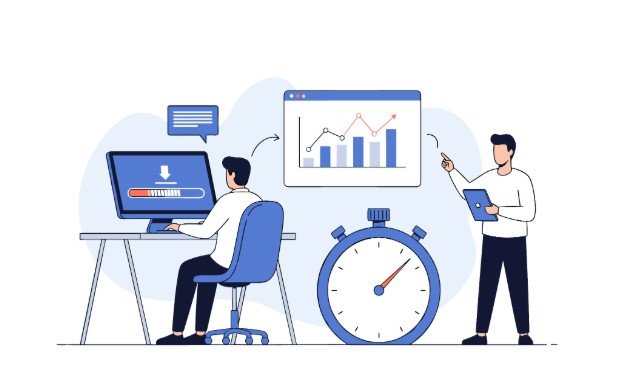
A suitable platform should support the organization’s working-time rules, employment agreements and internal policies. It should calculate regular hours, overtime, double time, shift premiums and other relevant pay conditions without relying on manual spreadsheets.
Live Overtime Alerts
The system should notify managers before a threshold is crossed, not merely include the excess hours in a later report. As part of effective workplace management strategies, alerts should be configurable by employee, team, location, and pay period so managers are not overwhelmed by irrelevant notifications.
Demand Forecasting and Schedule Optimization
Forecasting should connect expected workload with staffing requirements. Schedule optimization should then consider availability, qualifications, contracted hours, time off, rest periods and projected labor expense.
Attendance and Absence Insights
Managers need to understand how lateness, missed shifts and unplanned absences affect overtime. A tool that connects attendance with scheduling can reveal whether certain shifts or departments regularly depend on last-minute premium coverage.
Payroll and HR Integration
Disconnected systems create delays and inconsistent records. Integration with payroll, scheduling, time tracking and HR platforms provides a more reliable view of hours, pay rates, availability and leave. It also reduces duplicate entry and supports more accurate reporting.
Approval Workflows and Audit Records
Overtime requests should pass through a clear approval process. The platform should record who requested the additional hours, why they were needed, who approved them and what alternatives were considered. This increases accountability without preventing genuinely necessary overtime.
Metrics That Managers Should Monitor
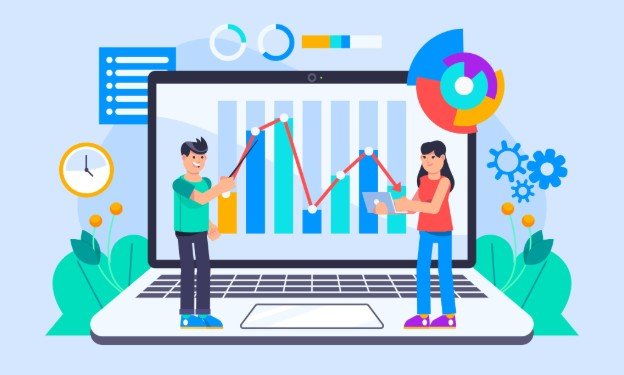
Total overtime hours provide a starting point, but they do not explain the complete problem. Managers should also examine overtime premium cost, overtime as a percentage of total labor cost, scheduled versus worked hours, and the number of employees approaching established thresholds.
Other valuable indicators include absence-generated overtime, forecast-to-schedule variance, repeated consecutive workdays, open shifts likely to require premium pay and overtime concentrated among employees with specialized skills.
The data should be segmented by team, role, location, shift and manager. Organization-wide averages can hide departments where excessive hours have quietly become routine.
Turning Analytics Into an Overtime Reduction Plan
Technology creates visibility, but managers must act on what it reveals. The first step is establishing a baseline using several recent pay periods. This should show current overtime hours, premium costs, affected departments and recurring causes.
Next, managers can configure alerts, verify employment rules, connect payroll and scheduling information, and determine who is responsible for responding to warnings. Scheduling practices may then be adjusted through earlier publication, cross-training, balanced hour distribution and improved backup coverage.
Performance should be reviewed regularly. If overtime falls but absences, understaffing or employee complaints rise, the strategy requires adjustment. The goal is not to eliminate every additional hour. It is to remove avoidable overtime without weakening coverage, service or employee well-being.
Frequently Asked Questions
1. What are workforce analytics tools for reducing overtime?
They are software platforms that analyze scheduling, attendance, employee availability, labor expenses and worked hours. They help managers recognize overtime risk, forecast staffing demand and adjust coverage before unnecessary premium hours occur.
2. Can analytics eliminate all overtime?
No. Overtime may still be necessary during emergencies, unexpected demand or temporary staffing shortages. Analytics primarily helps organizations distinguish necessary overtime from recurring, preventable costs.
3. Which overtime metric should managers check first?
Managers should begin with overtime premium cost by department and compare scheduled hours with actual hours. This reveals where the greatest financial impact occurs and whether the problem begins during planning or daily operations.
4. How do analytics tools support employees?
They can distribute hours more fairly, reduce repeated reliance on the same workers, improve schedule predictability and identify fatigue risks. These benefits can protect employee well-being while supporting dependable staffing.
Final Thoughts
I believe overtime analytics is most valuable when it changes decisions before payroll closes. A dashboard alone will not reduce costs, but timely forecasts, meaningful alerts and connected scheduling data give managers an opportunity to act.
The right system should reveal root causes, recommend practical alternatives and measure whether changes are working. When combined with cross-training, reliable attendance practices and thoughtful schedule design, workforce analytics can turn overtime from an unpredictable expense into a controlled and intentional staffing choice.
Leave a Reply