Author: Preston Cole

  • Managing Employees Who Work at Different Speeds Without Hurting Productivity

    Two employees can receive the same assignment, the same deadline, and the same instructions yet finish hours apart. One may move quickly and make decisions on the fly, while another may slow down to verify details, reduce errors, and think through possible risks. That difference becomes a management challenge when workloads feel unfair, or projects begin to stall.

    For me, managing employees who work at different speeds is less about forcing everyone into the same pace and more about understanding what each person contributes. Managers need to balance speed, quality, capacity, deadlines, and individual strengths without rewarding fast employees with endless extra work or allowing slower employees to create repeated bottlenecks. 

    The right approach creates accountability while giving people enough flexibility to perform at their best.

    Why Do Employees Work at Different Speeds?

    Employees may work at different speeds because of experience, training, confidence, perfectionism, task complexity, distractions, unclear instructions, or individual working styles.

    A slower employee is not necessarily an underperformer. Some employees are highly analytical and deliberate, making them especially valuable for research, quality control, compliance, or complex problem-solving. At the same time, a fast employee is not automatically more productive if their work creates errors or requires frequent revisions.

    Before making a judgment, I look at what is driving the difference.

    Private one-on-one conversations are useful here. I might ask whether the employee understands the assignment, has the right resources, feels confident completing it, or sees unnecessary steps slowing the process.

    Understanding the root cause helps me decide whether the employee needs training, clearer expectations, workflow improvements, or stronger performance accountability.

    How Should Managers Handle Slower, More Deliberate Employees?

    When someone consistently takes longer, I first define exactly what successful work looks like.

    Perfectionists can lose time polishing work beyond what the assignment requires. A clear definition of “done” helps prevent that. I explain the required quality standard, deadline, scope, and level of detail so the employee knows when the task is complete.

    I also prefer realistic deadline conversations over simply imposing dates whenever flexibility exists. Asking an employee how long a complex assignment will realistically take can improve planning and ownership. The manager still controls business priorities, but employee input can reveal workload issues or hidden dependencies.

    Work assignment matters too. Employees who naturally work deeply may excel at research, auditing, analysis, detailed documentation, troubleshooting, or quality assurance. Matching tasks with employee strengths can improve both productivity and work quality.

    How Do You Manage Fast Employees Without Overloading Them?

    How Do You Manage Fast Employees Without Overloading Them?

    Fast employees can create tremendous momentum, but managers should avoid turning efficiency into a punishment.

    If every completed assignment immediately produces another routine task, high performers may eventually realize that finishing early only earns them additional work.

    Instead, I use extra capacity intentionally.

    Fast workers can take on stretch assignments, process improvement projects, experiments, urgent work, or higher-value responsibilities that support career development. They may also help optimize inefficient workflows.

    Quality still matters. I establish quality checkpoints where necessary so speed does not lead to careless execution, skipped details, or unnecessary rework.

    Fast employees also need to understand that productivity includes communication and team alignment. Finishing quickly is valuable, but not if coworkers lack information, dependencies are ignored, or quality drops.

    Should Every Employee Have the Same Workload?

    No. Equal workload and fair workload are not always the same thing.

    A senior employee may complete an assignment in two hours that takes a newer employee most of the day. Another worker may be managing fewer tasks but handling much more complex work.

    I assess employee workload using available capacity, task difficulty, experience, deadlines, skills, and business impact rather than simply counting assignments.

    This approach creates better workload distribution and reduces the risk of continuously overloading high performers.

    Managers should also evaluate output based on value rather than hours alone. One detailed report that prevents an expensive mistake may provide more value than several routine reports completed quickly.

    How Can Managers Keep Different Work Speeds From Creating Bottlenecks?

    One of the most practical ways to manage mixed-speed teams is to reduce unnecessary dependencies.

    If a fast employee cannot continue until a slower colleague completes every previous step, frustration can build quickly.

    I try to structure projects so employees can work on parallel tracks whenever possible. Large assignments can also be broken into smaller components.

    For example, a fast employee may handle an initial execution phase while a detail-oriented employee performs refinement, analysis, or quality assurance. This allows both employees to contribute where their strengths have the greatest value.

    Milestones also help. Instead of waiting until the final deadline to discover a problem, I establish intermediate checkpoints that show whether work is progressing as expected.

    How Do You Measure Productivity Fairly When Employees Work at Different Speeds?

    How Do You Measure Productivity Fairly When Employees Work at Different Speeds?

    When determining how to manage employees who work at different speeds, I avoid using speed as the only performance metric.

    I evaluate quality, timeliness, consistency, reliability, communication, error rates, rework, customer impact, and overall contribution. This broader approach can also help managers improve accountability in remote teams, where visible activity is often less important than measurable results.

    An employee who finishes quickly but repeatedly creates errors may generate more work for the team. Meanwhile, a slightly slower employee who consistently produces accurate work may create greater overall value.

    The same principle applies to hours worked. Time spent does not automatically equal productivity.

    For most roles, the better question is whether employees deliver the expected outcome at the required quality level within reasonable deadlines.

    Should Fast and Slow Employees Be Paired Together?

    Pairing employees can work well when it has a clear purpose.

    A faster employee may share templates, shortcuts, automation ideas, or productivity techniques. A more deliberate employee may teach quality-control practices, analytical methods, or detailed processes.

    Deep workers can also become effective mentors for new hires because they often understand each step carefully.

    However, I avoid turning one employee into another person’s permanent support system. Mentoring should create development for both employees rather than adding an invisible workload to the stronger performer.

    When Does Working Slowly Become a Performance Problem?

    Different working speeds are normal, but managers still need reasonable performance standards.

    Slow work becomes a performance issue when an employee repeatedly misses achievable deadlines, creates serious bottlenecks, needs excessive supervision, or fails to meet clearly communicated role expectations despite adequate training and support.

    When that happens, I address the problem privately and with specific facts.

    Instead of saying, “Everyone else works faster than you,” I focus on measurable expectations. I explain the normal turnaround time, what has happened, how often delays occur, and how those delays affect customers, coworkers, or business operations.

    That approach protects employee dignity while maintaining accountability.

    How Can Managers Build a Team Culture That Values Different Work Styles?

    How Can Managers Build a Team Culture That Values Different Work Styles?

    Teams can become divided when employees start comparing speed.

    I prefer reinforcing shared outcomes instead of encouraging individual speed contests.

    Team milestones can encourage employees to support each other rather than compete over who completes the most tasks. Managers should recognize rapid execution when it creates value, but they should also recognize accuracy, problem-solving, quality improvements, reliability, and strong collaboration.

    The message should be simple: different strengths can contribute to the same business result.

    Frequently Asked Questions (FAQs)

    1. Is it normal for employees to work at different speeds?

    Yes. Differences in experience, confidence, training, task complexity, work style, and attention to detail naturally affect working speed. Managers should focus on whether employees meet reasonable performance expectations.

    2. How do you motivate a slow employee without micromanaging?

    Identify the reason behind the slower pace first. Then use clear expectations, realistic deadlines, training, defined milestones, and regular coaching instead of constantly checking every step.

    3. Is it fair to give fast employees more work?

    Occasionally, but managers should not automatically reward efficiency with endless routine assignments. Extra capacity can be used for higher-value projects, innovation, development opportunities, or urgent priorities.

    4. Should managers compare employees with each other?

    Direct comparisons usually create defensiveness and resentment. It is more effective to compare each employee’s performance against clearly defined role expectations, deadlines, and quality standards.

    5. How can managers balance workloads between fast and slow employees?

    Consider capacity, skills, task complexity, experience, deadlines, and business value. Managers should also review workloads regularly because employee capacity and project priorities change over time.

    6. What should managers do when one employee slows down the whole team?

    Identify the dependency causing the delay, break projects into smaller tasks, create parallel workflows where possible, establish milestones, and determine whether training, workload changes, or performance management is necessary.

    Final Thoughts

    Understanding how to manage employees who work at different speeds comes down to balancing flexibility with accountability.

    I do not expect every employee to use the same process or complete every assignment at an identical pace. I do expect reasonable deadlines, strong communication, dependable quality, and consistent contribution.

    The strongest managers identify why work speeds differ, define what “done” means, negotiate realistic timelines when appropriate, match work with employee strengths, prevent dependency bottlenecks, use quality checkpoints, and protect fast employees from becoming permanently overloaded.

    When managers focus on value instead of speed alone, they can build a team where fast execution and deep work strengthen each other rather than compete.

  • Onboarding Checklist for High Turnover Service Industries

    Onboarding Checklist for High Turnover Service Industries

    Frontline service workers do not quit jobs on day ninety; they quit emotionally during their first four hours. When I ran high-volume store operations, I watched capable recruits walk out mid-shift simply because they were handed a thirty-page manual, an apron, and zero direction. To fix this, you need a battle-tested onboarding checklist for high turnover service industries that prioritizes immediate competence over administrative exhaustion.

    According to the Bureau of Labor Statistics, hospitality and retail sectors routinely face annual turnover rates exceeding 70%. Retaining these workers demands a structured workflow that turns chaos into steady competence.

          PRE-BOARDING               DAY 1: FIRST WIN            WEEK 1: SHADOWING          DAYS 30-90: RUNWAY

     [Mobile Portal: Gusto/ADP] ➔ [Door Greeting + Buddy]  ➔  [Reverse-Shadow Tasks]  ➔  [Stay Check & Tier Bumps]

    The Root Cause: Why Frontline Onboarding Fails by Day Three

    Most service operations confuse compliance with training. New hires spend four hours signing tax forms in a noisy back office, get thrown onto a register during a rush, and leave overwhelmed. Research published by the Cornell Center for Hospitality Research confirms that early role clarity correlates directly with employee longevity.

    Frontline turnover happens because of three friction points:

    1. Administrative fatigue: Trainees waste their first day on paperwork instead of connecting with their team.
    2. Social isolation: Nobody greets the new recruit, leaving them stranded at the counter.
    3. Execution anxiety: Workers are expected to run complex stations before mastering basic steps.

    Improving frontline retention requires building long-term operational efficiency into the training lifecycle rather than treating orientation as an afterthought.

    The 4-Phase Frontline Onboarding Checklist

    This system breaks onboarding into distinct, low-stress intervals to protect team bandwidth and employee confidence.

    Phase 1: Pre-Boarding & Digital Compliance

    Phase 1: Pre-Boarding & Digital Compliance

    Clear every bureaucratic hurdle before the employee steps through your doors.

    • Send contracts, I-9 verification, and direct-deposit setup through a mobile-friendly onboarding app.
    • Provision point-of-sale accounts and scheduling logins 48 hours in advance.
    • Send an automated SMS confirming parking spots, the dress code, and the name of the shift supervisor.
    • Stage clean uniforms, nametags, and safety gear in their assigned locker.

    Phase 2: The “First Shift Win” Protocol

    Phase 2: The "First Shift Win" Protocol

    Day one must focus exclusively on comfort, safety, and an easy psychological victory.

    • Meet the recruit at the entrance immediately so they never wait awkwardly in customer areas.
    • Conduct a ten-minute essentials tour covering break rooms, restrooms, and emergency exits.
    • Pair the worker with a designated peer buddy who receives a shift stipend for their mentorship.
    • Assign one low-stakes task within hour two, such as restocking dry goods or cleaning a prep station, so they complete their shift feeling capable.
    • Run a fifteen-minute exit debrief to answer questions and confirm their next scheduled shift.

    Phase 3: The 7-Day Reverse-Shadowing Model

    Phase 3: The 7-Day Reverse-Shadowing Model

    Week one establishes technical muscle memory through observation and supervised execution.

    • Walk through your documented standard operating procedures using laminated station cheat sheets.
    • Execute active shadowing: the trainee watches the buddy for one shift, then reverses roles on shift two.
    • Practice high-stress scenarios through brief mock interactions before peak customer rushes hit.
    • Deliver real-time micro-corrections on the floor to eliminate errors before bad habits form.
    • Complete a ten-minute performance alignment at the end of the week to review baseline milestones.

    Phase 4: The 30-60-90 Retention Runway

    Phase 4: The 30-60-90 Retention Runway

    The Society for Human Resource Management (SHRM) highlights that structured check-ins during the first quarter dramatically suppress early resignation spikes.

    • Day 30: Review core performance metrics, address signs of early burnout, and celebrate initial wins.
    • Day 60: Cross-train the employee on a complementary station to keep daily tasks engaging.
    • Day 90: Conduct an informal stay interview to gather honest feedback on operational bottlenecks and discuss pay tier increases.

    Frontline Onboarding Matrix: Reference & Action Table

    Use this operational matrix to assign accountability across your shift leads.

    Phase Timeline Core Objective Primary Deliverable Responsible Party
    Pre-Boarding 3–5 days prior Complete 100% of compliance digitally Portal paperwork & system credentials GM / HR Lead
    Shift One Hours 1–6 Reduce anxiety; secure a quick win Locker assignment & single task sign-off Peer Buddy
    Foundation Days 2–7 Build station execution consistency Reverse-shadowing verification sheet Shift Supervisor
    Runway Days 30–90 Secure retention; expand station skills Cross-training check & stay interview General Manager

    Stop the Bleed: Turn Onboarding Into Your Retention Engine

    High turnover is rarely an inevitable byproduct of the service sector; it is the natural outcome of neglectful first impressions. As noted in insights from the Harvard Business Review, structured socialization early on solidifies employee attachment.

    When you automate paperwork, assign dedicated peer support, and celebrate micro-wins, new hires stay. Implement this checklist on your next hiring batch to protect your labor margins and stabilize your shifts.

    Frequently Asked Questions

    1. What is the most important step in service industry onboarding?

    Pairing a new recruit with an incentivized peer buddy on day one delivers immediate clarity and halts first-week resignations.

    2. How do you onboard frontline staff when short-staffed?

    Complete all compliance paperwork through mobile pre-boarding portals so shift leads spend zero floor time on administrative filings.

    3. What should be included in a Day 1 service cheat sheet?

    Provide concise details on parking, uniform requirements, locker locations, manager contact numbers, and basic time-clock instructions.

    4. Why do service workers quit during the first week?

    They quit due to execution anxiety, nonexistent training, and feeling abandoned by management during peak customer service rushes.

  • Workplace Productivity Tools for Shift Workers That Reduce Friction

    Workplace Productivity Tools for Shift Workers That Reduce Friction

    Nearly 30% of the American workforce has a schedule outside a regular daytime shift, according to NIOSH. For those workers, productivity is not just about getting more done per hour. It depends on having the right coverage, accurate time records, clear handoffs, and enough recovery time to work safely. Workplace productivity tools for shift workers matter most when they remove those sources of friction.

    For restaurants, hospitals, warehouses, retail stores, field crews, and other hourly workplaces, the best question is not “Which app has the most features?” It is “Which recurring shift problem does this tool actually solve?”

    Productivity Starts With the Schedule, Not the Stopwatch

    A weak schedule can erase the benefits of a good task app. CDC says work-related fatigue can reduce attention, slow reaction time, affect short-term memory, and impair judgment. OSHA also warns that long hours and irregular shifts can contribute to fatigue and safety risks.

    That is why the first software layer for most shift teams should handle scheduling, availability, time-off, shift changes, and timekeeping. Mobile access also matters: workers need to see changes quickly without relying on paper schedules or scattered group texts.

    For deeper background, see the  CDC guidance on fatigue and work and OSHA worker-fatigue guidance.

    Seven Tools That Solve Different Shift-Work Problems

    No platform fits every workplace. The useful comparison is what each one does best.

    Tool Strongest use Best fit
    Sling Scheduling, time-off, messaging, time clock, labor-cost visibility Small and midsize hourly teams
    Deputy Demand forecasting, scheduling, timekeeping, break and overtime controls Retail, hospitality, healthcare, multi-location teams
    Connecteam GPS-enabled time tracking, checklists, forms, tasks, chat Deskless and field teams
    When I Work Scheduling, shift coverage, swaps, confirmations Teams needing simple employee self-service
    Homebase Scheduling, time tracking, timesheets, messaging, labor alerts Smaller local businesses
    Toggl Track Individual time and task tracking Workers or teams analyzing where time goes
    ClickUp Tasks, notes, checklists, comments, mobile workflows Teams that already have scheduling covered

    Sling combines scheduling with communication, task management, clock-in tools, and labor-cost tracking. Deputy adds demand forecasting and compliance-oriented features such as break planning, overtime alerts, and fair-workweek support. Connecteam is built around non-desk work, combining scheduling and GPS-enabled time tracking with forms, checklists, tasks, and chat.

    When I Work supports shift swaps and manager controls over coverage changes. Homebase links scheduling with shift swaps, time tracking, labor alerts, and messaging; its current free timesheet offering is limited to up to 10 employees at one location, so pricing and plan limits should always be rechecked before adoption.

    Toggl Track and ClickUp solve a different problem. Toggl helps workers log time against tasks and projects. ClickUp supports mobile tasks, notes, comments, checklists, and tracked time. Both can improve workflow, but neither should automatically be treated as a replacement for employer scheduling and wage-hour systems.

    Use This Five-Question Test Before Choosing a Tool

    Use This Five-Question Test Before Choosing a Tool

    First, can an employee understand the next shift in under 30 seconds? Start time, location, role, changes, and essential instructions should be obvious.

    Second, can a manager fill a callout without rebuilding the schedule manually? Open shifts, availability filters, swap requests, and approval rules are especially valuable in workplaces where plans change daily.

    Third, does the time record match payroll reality? The U.S. Department of Labor allows employers to choose their timekeeping method, but records must still be complete and accurate. A system that creates frequent corrections is not improving productivity. See the Department of Labor FLSA recordkeeping guidance.

    Fourth, does the tool support work during the shift? Cleaning teams may need checklists; maintenance crews may need assigned tasks and photos; healthcare and hospitality teams may need clean handoffs and rapid updates.

    Fifth, does it collect more worker data than the job requires? GPS can be useful for mobile crews, but location and activity tracking should have a clear operational purpose, defined access, and sensible retention rules.

    Productivity Software Cannot Fix Fatigue

    This is the limitation many software comparisons miss. Scheduling software can flag overtime or coverage gaps, but it cannot turn an exhausted employee into a fully alert one.

    Harvard Health notes that night and rotating work can misalign work hours with the body’s circadian rhythm. The National Safety Council recommends predictable schedules, adequate recovery between shifts, worker input where feasible, and frequent breaks as practical fatigue controls.

    Those findings change how managers should use workplace software. The goal should not be to squeeze every available hour from the schedule. It should be to create dependable coverage without repeatedly relying on long shifts or last-minute overtime.

    Managers can also review how to prevent employee schedule fatigue when designing schedules that provide adequate recovery time and reduce avoidable fatigue risks.

    Useful references include Harvard Health’s shift-work overview and the National Safety Council’s employer fatigue recommendations.

    Measure Friction Before and After Rollout

    Measure Friction Before and After Rollout

    Do not judge a new platform by logins or app activity. Measure what it removes.

    For four weeks before rollout, record manager time spent editing schedules, unfilled shifts, missed clock-ins, payroll corrections, overtime hours, incomplete shift tasks, and routine schedule-related messages.

    Track the same measures for four weeks after launch. A standard operating procedures template for shift handovers can also help standardize shift transitions and make it easier to measure whether fewer details are missed between teams. Track the same measures for four weeks after launch.

    A useful tool should reduce avoidable interruptions, improve payroll accuracy, shorten coverage time, and make task completion easier to verify. If the numbers do not improve, the problem may be the process, the configuration, or simply the wrong software.

    Two Mistakes That Make Tool Stacks Worse

    Two Mistakes That Make Tool Stacks Worse

    The first is buying more software than the workplace needs. A small café may benefit more from reliable scheduling and timesheets than sophisticated forecasting. A multi-site operation, however, may genuinely need demand planning and compliance controls.

    A clear onboarding checklist for high turnover service industries can also help teams introduce new employees consistently without adding unnecessary complexity to the tool stack.

    The second is app overload. If workers need separate apps for schedules, clock-ins, tasks, and messages, the productivity stack can become another source of friction. Integration and simplicity matter as much as feature count.

    Frequently Asked Questions 

    1. What is the most important feature in workplace productivity tools for shift workers?

    Reliable scheduling. Workers should be able to see shifts, availability, changes, and coverage information quickly before advanced analytics are added.

    2. Are GPS time clocks necessary for shift workers?

    Only when location is operationally relevant, such as field service or mobile crews. Tracking should be limited to a clear business need and supported by transparent policies.

    3. Can a personal productivity app replace scheduling software?

    Usually not. Personal time trackers and task apps can improve focus, but employer scheduling, coverage, payroll, and compliance needs generally require a multi-user workforce platform.

    4. How can a company tell if a new tool improves productivity?

    Compare schedule-edit time, open shifts, overtime, payroll corrections, missed tasks, and manager coordination time before and after rollout.

    Final Takeaway

    The strongest workplace productivity tools for shift workers do not simply push people to work faster. They make the shift easier to run. Good software reduces scheduling confusion, creates cleaner time records, improves handoffs, and gives managers earlier warning when coverage or overtime is drifting off course. 

    It should also support sensible scheduling rather than turning fatigue into another metric to watch. Start with the recurring problem that costs the team the most time, choose the smallest toolset that fixes it, and then measure whether that friction actually falls.

  • How to Prevent Burnout Among Customer Facing Staff

    How to Prevent Burnout Among Customer Facing Staff

    When I managed a 60-person frontline customer support organization, our team experienced an annual turnover rate of 42%. Exit interviews echoed identical pain points: cognitive exhaustion, helplessness during conflict, and unrelenting ticket queues. 

    Learning how to prevent burnout among customer facing staff is rarely about introducing meditation apps or catered lunches. It requires rebuilding operational workflows, eliminating systemic stressors, and treating human cognitive capacity as a finite business constraint.

    Frontline teams absorb immense emotional volatility. Without deliberate operational safeguards, prolonged customer friction directly drives turnover, degrades customer satisfaction, and inflates hiring costs.

    The Frontline Exhaustion Trap: What Actually Causes Agent Attrition

    The Frontline Exhaustion Trap: What Actually Causes Agent Attrition

    The World Health Organization (WHO) classifies occupational burnout as an unmanaged chronic workplace syndrome characterized by exhaustion, cynicism, and reduced professional efficacy. Frontline service professionals face distinct vulnerabilities due to continuous emotional labor—the effort required to display organizationally desired emotions during high-stress customer disputes.

    Research published in Harvard Business Review indicates that systemic burnout stems from operational design rather than personal fragility. When workers face relentless incoming volume without autonomy, physiological stress spikes. Cortisol levels remain elevated, accelerating cognitive fatigue.

    Burnout Dimension Operational Root Cause Observable Symptom Corrective Action
    Exhaustion Unchecked queue velocity; zero buffer time Rising absenteeism; tardiness Enforced queue pacing; mandatory buffers
    Depersonalization Repetitive disputes; lack of autonomy Curt, mechanical responses Discretionary compensation budgets
    Inefficacy Restrictive approval chains Escalation bottlenecking Low-tier resolution sign-off thresholds

    Emotional Labor vs. Cognitive Capacity

    Customer service representatives continuously toggle between complex technical problem-solving and emotional regulation. Handling back-to-back contentious calls depletes executive functioning, forcing agents into reactive survival modes. To fix this, teams need an operational efficiency audit to expose friction points in ticketing workflows before reps hit their breaking point.

    Redesigning Frontline Operations to Mitigate Chronic Fatigue

    Redesigning Frontline Operations to Mitigate Chronic Fatigue

    Preventing chronic exhaustion requires re-engineering how agents spend their day. Monotonous, emotionally taxing interactions must be balanced against low-intensity administrative tasks.

    Incoming Contact Stream

             │

             ▼

    ┌──────────────────┐     Tier 1 Routine      ┌─────────────────────────┐

    │ AI / Self-Serve  │ ──────────────────────> │ Automated Resolution    │

    └──────────────────┘                         └─────────────────────────┘

             │

             │ Complex / High-Touch

             ▼

    ┌──────────────────┐     Shift Split         ┌─────────────────────────┐

    │ Live Queue Reps  │ <─────────────────────> │ Back-Office Tasks       │

    │ (Max 4h Blocks)  │                         │ (Docs, Audits, Email)   │

    └──────────────────┘                         └─────────────────────────┘

    Implementing Asynchronous Task Rotation

    Exposing staff to high-friction channels for eight consecutive hours accelerates attrition. High-performing teams divide shifts into split schedules, rotating agents between synchronous phone channels and asynchronous queues like email or documentation review.

    Predictable scheduling forms the foundation of stability. Leaders should integrate strict fair workweek compliance standards, giving agents advance notice of their shifts to enable real cognitive rest away from the job.

    Automating Transactional Friction

    Routine inquiries—order status lookups, password resets, and simple billing questions—drain cognitive reserves. Deploying intelligent virtual agents and self-service portals filters out repetitive operational noise. 

    Human representatives are then reserved for high-context, high-empathy problem-solving, which according to analytics from Gallup, dramatically boosts an employee’s sense of personal accomplishment.

    Decoupling Evaluation from Toxic Speed Metrics

    Decoupling Evaluation from Toxic Speed Metrics

    Traditional service operations often evaluate staff on Average Handle Time (AHT). This single metric frequently causes significant stress among frontline employees. When leadership rewards shorter calls, agents face a direct conflict between solving customer issues thoroughly and meeting rigid internal timing thresholds.

    To eliminate this operational contradiction, high-retention organizations replace speed quotas with holistic quality metrics.

    Legacy Metric Operational Flaw Modern Replacement Metric Strategic Benefit
    Average Handle Time (AHT) Encourages rushed, incomplete interactions First Contact Resolution (FCR) Prioritizes complete resolution over speed
    Total Closed Tickets Penalizes complex troubleshooting Customer Satisfaction (CSAT) Rewards empathy, competence, and care
    Queue Occupancy Rate (>85%) Induces chronic adrenaline response Targeted Occupancy (70–75%) Provides natural breathing room between calls

    Operationalizing the Post-Incident Decompression Protocol

    Operationalizing the Post-Incident Decompression Protocol

    Severe customer escalations trigger acute physical stress responses. Forcing an agent to take another queue interaction immediately following an aggressive interaction damages mental well-being and elevates turnover risk.

    Organizations must implement an explicit, non-punitive decompression protocol to normalize recovery.

    Stage Duration Core Action Items Primary Goal
    1. Disengagement Minutes 0–2 Change queue status to “Post-Incident Reset”; step away from screen. Halt incoming call routing; break visual engagement.
    2. Down-Regulation Minutes 2–5 Practice physiological sighing (two inhales, prolonged exhale); hydrate. Lower heart rate; clear immediate adrenaline spike.
    3. Grounding Minutes 5–8 Physical movement away from workstation; sensory re-orientation. Break mental rumination on the conflict.
    4. Ticket Wrap-Up Minutes 8–10 Record objective facts without emotional commentary; flag for lead review. Finalize ticket; re-enter queue with clear mind.

    Federal workplace wellness guidance from the U.S. Department of Labor underscores that structured, protected breaks are essential for maintaining safety, cognitive focus, and productivity in high-intensity operational roles.

    Frequently Asked Questions

    1. What are the earliest warning signs of frontline employee burnout?

    Early signs include uncharacteristic cynicism, rising absenteeism, falling first-contact resolution rates, and emotional detachment during standard customer calls.

    2. How does workforce scheduling affect agent mental health?

    Erratic schedules disrupt circadian rhythms and personal recovery, whereas predictable shifts and protected breaks significantly lower baseline stress.

    3. Can AI help reduce turnover among customer support staff?

    Yes, conversational AI handles repetitive transactional inquiries, leaving representatives to resolve complex tickets that offer higher personal satisfaction.

    4. Why does Average Handle Time drive staff exhaustion?

    AHT forces agents to prioritize clock-watching over empathy, causing severe friction between customer needs and management expectations.

    Stop Handing Out Pizza: Build Better Infrastructure Instead

    Frontline agents do not quit customer service because they dislike helping people; they quit systems that treat their mental stamina as an inexhaustible resource. Banish vanity wellness perks and invest in concrete operational changes. 

    Audit your metrics, enforce micro-break protocols, and distribute channel demands evenly. Begin by reviewing your handle-time targets this quarter to give your frontline team the breathing room they need to thrive.

  • Managing Negative Employees Without Damaging Team

    Managing Negative Employees Without Damaging Team

    I have learned that workplace negativity rarely disappears when managers ignore it. A sarcastic remark, dismissive response, or repeated complaint may initially seem minor, but a continuing pattern can weaken collaboration and make productive employees feel unsupported. Learning how to manage employees with negative attitudes requires more than demanding positivity. Managers must identify observable conduct, understand its possible cause, communicate expectations, and provide a fair opportunity for improvement.

    A negative employee is not necessarily a poor employee. Some people raise legitimate concerns, notice risks others overlook, or express frustration because they feel overwhelmed. The manager’s responsibility is to distinguish useful disagreement from behavior that repeatedly interferes with the team.

    Recognize a Pattern Instead of Reacting to One Incident

    Everyone experiences difficult days. An employee may be unusually quiet, frustrated, or impatient because of a temporary personal or professional problem. One uncomfortable interaction usually does not establish a behavioral pattern.

    Managers should look for conduct that happens repeatedly. Warning signs can include interrupting colleagues, rejecting new ideas without considering them, making cynical comments, blaming others, resisting reasonable instructions, spreading rumors, or refusing to cooperate.

    The effect of the behavior matters as much as the action itself. A critical employee may still raise valuable points. The problem begins when the way those points are communicated discourages participation, delays decisions, damages customer relationships, or forces coworkers to compensate.

    Describe Behavior, Not Personality

    Calling someone negative, toxic, rude, or difficult can make the conversation feel like a personal attack. These labels are subjective and do not tell the employee what must change.

    Managers should identify what was observed, when it happened, and how it affected the workplace. Instead of saying, “Your attitude is becoming a problem,” a manager could say, “During yesterday’s planning meeting, you interrupted two colleagues and called the proposed deadline ridiculous. The discussion stopped, and the team could not complete the schedule.”

    This approach separates the person from the conduct. It also gives the employee a specific incident to discuss and a realistic behavior to correct.

    Investigate the Cause Before Choosing a Response

    Investigate the Cause Before Choosing a Response

    Negative conduct can have several causes. An employee may be dealing with an unreasonable workload, unclear responsibilities, conflict with a coworker, lack of recognition, limited development opportunities, or frequent organizational changes.

    Disengagement can also contribute to negative workplace behavior, so managers may need to understand how to motivate disengaged employees when a change in participation, attitude, or cooperation appears to be connected to lost motivation.

    Personal difficulties can also affect someone’s behavior at work.

    Managers should not diagnose the employee or demand private details. A neutral question such as, “Is something affecting your ability to work effectively with the team?” creates space for an explanation without crossing personal boundaries.

    Managers must also consider whether the concern is legitimate. What sounds like complaining could reveal poor communication, unfair workload distribution, unsafe practices, or inconsistent policies. Correcting a real workplace problem may improve the employee’s behavior while benefiting everyone else.

    Prepare for a Private Conversation

    A behavioral discussion should happen privately and as soon as the manager has reliable examples. Waiting several months creates frustration and makes it harder for the employee to remember individual incidents.

    Before the meeting, the manager should review relevant workplace policies, separate facts from assumptions, and decide what improvement is required. The purpose of the conversation should be correction, not punishment or emotional release.

    A useful opening might be: “I want to discuss a pattern I have noticed and understand your perspective. In three recent meetings, you dismissed assignments before the team could discuss them. That has made it harder to reach decisions. What is causing this reaction?”

    The manager should then listen without arguing or immediately defending every workplace decision. Listening shows respect, but it does not require accepting disruptive conduct.

    Set Clear Expectations for Improvement

    A reliable approach to how to manage employees with negative attitudes must include measurable expectations. Telling an employee to “be more positive” is unlikely to produce lasting change because positivity cannot be measured consistently.

    Instead, the manager could ask the employee to allow others to finish speaking, raise concerns privately when appropriate, present at least one possible solution with each objection, and use professional language during disagreements.

    The employee should understand what needs to change, why it matters, what support is available, and when progress will be reviewed. Clear expectations protect the employee from guesswork and give the manager a fair standard for evaluating improvement.

    Document the Facts Objectively

    Document the Facts Objectively

    Managers should record significant behavioral conversations, particularly when a pattern continues. Documentation should include the date, the observable conduct, its workplace impact, the employee’s explanation, the agreed expectations, available support, and the next review date.

    Documentation should not contain emotional descriptions or assumptions about intent. “The employee deliberately tried to embarrass the supervisor” is an interpretation. “The employee interrupted the supervisor four times and said the plan was incompetent in front of the team” is an observable description.

    Accurate records promote consistency and help managers determine whether coaching is working. They also help prevent decisions from being based on memory or personal frustration.

    Provide Support Without Rewarding Disruption

    Accountability and support can exist together. Depending on the cause, support may include clearer priorities, coaching, conflict resolution, additional training, workload adjustments, regular one-to-one meetings, or access to an employee assistance resource.

    However, managers should not reward disruptive behavior by removing every challenging responsibility or granting special treatment simply to stop complaints. That response can encourage the pattern and create resentment among other employees.

    The goal is to remove reasonable barriers while maintaining the same professional standards for everyone.

    A broader workplace management strategy can help managers coordinate workloads, communication, employee support, and team expectations so that individual behavior issues are addressed within the wider needs of the workplace.

    Follow Up and Recognize Genuine Progress

    One conversation may improve behavior temporarily, but lasting change requires follow-up. Managers should schedule a review rather than waiting for another incident.

    During the review, they should discuss specific improvements and any remaining concerns.

    If negative behavior is also affecting work quality or results, managers can use a structured approach to manage underperforming employees by setting clear expectations, providing support, and tracking improvement over time.

    Genuine progress deserves recognition. A simple acknowledgment that the employee handled a disagreement constructively can reinforce the desired conduct.

    If the behavior has not improved, the manager may need to involve human resources or begin a formal performance-management process. Serious misconduct, harassment, threats, discrimination, or safety violations should be escalated immediately rather than handled only through informal coaching.

    Frequently Asked Questions

    1. What is the best way to learn how to manage employees with negative attitudes?

    Begin by identifying specific behavior and its impact. Meet privately, listen to the employee’s perspective, establish measurable expectations, document the discussion, provide appropriate support, and review progress on an agreed date.

    2. Can an employee be disciplined for having a bad attitude?

    Discipline should be based on identifiable conduct, performance problems, or policy violations rather than a manager’s opinion about someone’s personality. Follow the organization’s established procedures and consult human resources when formal action may be necessary.

    3. How can managers tell the difference between negativity and honest feedback?

    Honest feedback identifies a concern and leaves room for discussion or solutions. Destructive negativity repeatedly dismisses people or ideas, disrupts work, and continues after expectations have been clarified.

    4. What should happen if the employee’s complaint is valid?

    The manager should address the legitimate problem while still setting expectations for professional communication. A valid concern does not justify disrespectful behavior, but correcting the underlying issue can prevent further frustration.

    Final Thoughts

    I believe the strongest managers neither ignore negativity nor respond to it emotionally. They replace personal labels with facts, listen for legitimate concerns, and make the required behavioral change unmistakably clear. When managers combine empathy, documentation, consistency, and timely follow-up, they give employees a fair chance to improve while protecting the wider team.

  • How to Manage Underperforming Employees Without Hurting Morale

    How to Manage Underperforming Employees Without Hurting Morale

    I know how uncomfortable it can feel to address poor performance, especially when the employee is friendly, hardworking in other ways, or dealing with challenges outside work. However, ignoring the problem rarely protects anyone. Delayed action can increase resentment, weaken productivity, and force stronger team members to carry an unfair share of the workload.

    Learning how to manage underperforming employees requires a balance of empathy and accountability. The purpose is not to embarrass someone or remove them at the first sign of trouble. It is to identify the real problem, communicate expectations clearly, provide appropriate support, and give the employee a fair opportunity to improve.

    What Does Employee Underperformance Mean?

    Underperformance occurs when an employee consistently fails to meet the reasonable standards, responsibilities, or results expected in their role. One mistake, a difficult week, or a missed deadline does not necessarily indicate a serious performance problem. Managers should look for repeated patterns.

    Common warning signs include declining work quality, missed deadlines, incomplete assignments, repeated errors, low engagement, poor attendance, resistance to feedback, or an increasing need for supervision. Another warning appears when coworkers regularly have to correct the employee’s work or complete unfinished tasks.

    Managers must also separate underperformance from misconduct. An employee who lacks training may need coaching. Someone who deliberately ignores safety rules, behaves dishonestly, or harasses coworkers may require a different disciplinary process.

    Identify the Performance Gap Clearly

    Before arranging a meeting, define exactly where performance has fallen short. Avoid relying on feelings, personality differences, or statements such as “Your attitude is poor.” These descriptions are subjective and difficult for an employee to act upon.

    Instead, collect specific examples. Record missed deadlines, measurable quality problems, customer complaints, incomplete tasks, attendance concerns, or results that fall below agreed targets. Compare the employee’s output with their documented responsibilities and established standards rather than comparing personalities.

    For example, explain that three reports were delivered after their agreed deadlines and delayed the next stage of a project. This is more useful than saying the employee is unreliable. Evidence keeps the discussion fair, focused, and easier to document.

    Examine the Possible Root Cause

    Examine the Possible Root Cause

    Performance problems do not always result from laziness or a lack of interest. An employee may not understand the role, may have received poor onboarding, or may lack the tools required to complete the work. Conflicting priorities, an unrealistic workload, personal difficulties, low confidence, weak management, or a poor job fit can also contribute.

    Managers should review their own role before reaching a conclusion. Ask whether expectations were clearly communicated, priorities recently changed, adequate training was provided, and the employee received feedback early enough to respond.

    This self-assessment does not remove the employee’s responsibility. It helps ensure that the improvement plan addresses the actual cause instead of merely treating its symptoms.

    Hold a Private and Direct Conversation

    Schedule a private meeting rather than correcting the employee publicly or sending an unexpected disciplinary message. Begin calmly and explain why the conversation is necessary.

    A useful opening might be:

    “I want to discuss several recent assignments that did not meet the agreed deadline or quality standard. I would like to understand what is getting in the way and agree on a clear plan for improvement.”

    Describe the evidence, explain how it affects customers or coworkers, and allow the employee to respond.

    Employee feedback can also reveal how frontline teams experience their work environment, making strategies to improve frontline employee Net Promoter Score useful when managers want to understand engagement and identify areas that need attention.

    Ask open questions such as:

    • What challenges are affecting your work?
    • Are any expectations unclear?
    • Do you have the tools and training you need?
    • What changes would help you meet the required standard?
    • Is there anything about the workload that I should understand?

    Listen without immediately accepting excuses or dismissing genuine concerns. The objective is to understand the situation while keeping responsibility for improvement clear.

    Establish Measurable Expectations

    Telling an employee to “work harder” is unlikely to create meaningful change. Define what acceptable performance looks like through observable results.

    A measurable goal could require the employee to submit weekly reports by a specified time, reduce recurring errors, respond to priority requests within an agreed period, or complete a particular training course. Every goal should have a deadline and a clear method of evaluation.

    Confirm these expectations in writing after the meeting. The written record should include the performance concern, required improvement, support available, review dates, and possible consequences if progress does not occur.

    Provide Support Without Taking Over

    Provide Support Without Taking Over

    Accountability works best when the employee has a realistic opportunity to succeed. Depending on the cause, support could include training, mentoring, updated instructions, better tools, clearer priorities, additional practice, or temporary check-ins.

    However, support should not mean completing the employee’s responsibilities for them. Managers who continually rescue an employee can hide the performance gap and become exhausted themselves. Ask the employee to propose actions and take ownership of agreed improvements.

    The manager’s role is to remove reasonable barriers and provide direction.

    A broader workplace management strategy can help managers coordinate staffing, workloads, communication, and employee support so that performance issues are addressed within the wider needs of the team.

    The employee’s role is to apply that support consistently.

    Monitor Progress Through Regular Check-Ins

    Do not wait until the end of the review period to discuss progress. Schedule weekly or biweekly meetings, depending on the role and seriousness of the problem.

    During each check-in, compare actual results with the agreed expectations.

    Regular check-ins can also help managers identify whether reducing absenteeism in shift work operations is necessary when attendance issues are contributing to ongoing performance gaps.

    Recognize genuine progress, discuss remaining gaps, and record important decisions. Consistent documentation protects fairness and prevents either party from relying on different memories of previous conversations.

    If performance improves, acknowledge the achievement and explain that the new standard must be maintained. Improvement should be sustainable without an unreasonable level of supervision.

    Decide the Appropriate Next Step

    When adequate support and reasonable time produce no meaningful progress, the manager may need to consider a formal performance improvement plan, reassignment, a different role, or further action under the organization’s policies.

    A formal plan should identify the exact deficiencies, required results, measurement methods, support available, review period, and consequences of failing to improve. Human resources should be involved when formal warnings, protected personal circumstances, contractual concerns, or possible termination are involved.

    Mistakes Managers Should Avoid

    Managers should not delay difficult conversations until an annual review. Employees deserve an opportunity to correct problems when they arise. Public criticism, vague accusations, emotional language, inconsistent standards, and threats without documented evidence can make the situation worse.

    Another mistake is assuming that a performance improvement plan automatically means dismissal. A properly designed plan should provide a genuine and measurable route to success while clarifying what happens if improvement does not occur.

    Frequently Asked Questions

    1. How quickly should managers address poor performance?

    Managers should act when they identify a repeated or meaningful pattern. Early feedback prevents small problems from becoming established habits.

    2. What is the best way to explain the problem?

    Use specific evidence, connect it to an agreed standard, explain its impact, and invite the employee to provide their perspective.

    3. How to manage underperforming employees who reject feedback?

    Stay focused on documented results rather than debating personal opinions. Restate the required standard, invite a written response, document the conversation, and involve the appropriate internal support when necessary.

    4. How long should an improvement period last?

    The appropriate period depends on the role, problem, and time reasonably required to demonstrate change. Simple behavioural changes may appear quickly, while technical improvement may require training and a longer review period.

    Final Thoughts

    I believe effective performance management should protect dignity without weakening accountability. A manager can be compassionate while remaining clear about the results a role requires. The strongest approach begins with evidence, explores the cause, establishes measurable expectations, provides fair support, and follows up consistently.

    When improvement happens, both the employee and the organization benefit. When it does not, a transparent process allows the manager to make the next decision with greater confidence, fairness, and respect.

  • Restaurant Table Turnover Rate Optimization Strategies

    Restaurant Table Turnover Rate Optimization Strategies

    When I ran shift operations in a busy 80-seat bistro, our team spent months believing that faster turns required pushing guests out the door. We were wrong. Rushing diners kills check averages, destroys hospitality, and ruins gratuities. True restaurant table turnover rate optimization strategies focus on eliminating administrative latency—the dead time spent waiting for orders, checks, and resets.

    By restructuring our service sequence to target unforced operational delays, we shaved twelve minutes off our average ticket time. That single shift transformed our bottom line without a single guest feeling hurried.

    The Economics of Eliminating Friction Over Speed

    The Economics of Eliminating Friction Over Speed

    Table turnover measures how many distinct parties occupy a single table over a meal period. When tables sit idle between guests or diners wait endlessly for payment terminals, your floor bleeds margin.

    Turnover Rate = Shift Length (Minutes) / Average Turn Time (Minutes)

    If you operate a 4-hour dinner shift (240 minutes) with an average dining duration of 75 minutes, each table yields 3.2 turns. Reducing that duration to 65 minutes increases your yield to 3.69 turns. That small fraction translates to serious money when applied across a full dining room.

    Metric Baseline (75-Minute Turns) Optimized (65-Minute Turns) Operational Gain
    Turns Per Table 3.20 3.69 +0.49 turns
    Parties (25 Tables) 80 parties 92 parties +12 parties / shift
    Shift Revenue ($85 Avg Check) $6,800 $7,820 +$1,020 / shift
    Annual Delta (6 Shifts/Week) $2,121,600 $2,439,840 +$318,240 / year

    These gains work in tandem with long-term strategies to lower operating costs in restaurant business to dramatically widen operational profit margins.

    Auditing the Meal Lifecycle for Dead Time

    Auditing the Meal Lifecycle for Dead Time

    Every meal consists of dining time (eating, conversing, relaxing) and dead time (waiting). Research published by the Cornell Center for Hospitality Research highlights that guest satisfaction correlates with pacing consistency rather than raw speed.

    I audit four service stages to isolate hidden waste:

    Service Stage Common Bottleneck Corrective Operational Action
    Seated to Order Analysis paralysis over sprawling menus Train servers to deliver beverage service and take orders within 90 seconds.
    Fire to Plate Drop Kitchen line imbalances during peak hours Balance line-cook ticket distribution with standardized prep routines.
    Dessert to Check Waiting for dropped bill, pickup, card swipe Settle payments tableside instantly via digital terminals.
    Departure to Reseat Dirty tables lingering unattended Assign dedicated busser runners during peak reservation waves.

    Front-of-House Workflows That Protect Hospitality

    Front-of-House Workflows That Protect Hospitality

    Floor efficiency relies on clear guardrails. Without defined standards, servers default to disorganized habits that bottleneck the dining room.

    Complete Parties and Continuous Pre-Busing

    Never seat partial parties during high-demand rushes. One guest waiting 25 minutes for friends occupies a table that could complete half a dining cycle. Establish a polite, firm check-in protocol at the host stand to stage parties near the bar until everyone arrives.

    Simultaneously, enforce systematic pre-busing. Servers must clear dirty plates, discarded glassware, and wrappers continuously throughout the meal. By the time a dessert fork drops, the table should hold only water glasses and the check presenter. This practice cuts bussing and sanitization time from five minutes down to ninety seconds.

    Maintaining these demanding workflows requires adequate floor coverage. Review our fair workweek compliance checklist to schedule support staff predictably without incurring costly overtime penalties.

    Floor Architecture and Menu Engineering

    A dining room’s physical setup dictates how fast it operates. If your servers weave through crowded choke points to grab clean forks, you lose valuable minutes on every turn.

    Dynamic 2-Top Seating Over Rigid Layouts

    Industry data from the National Restaurant Association shows that party sizes of two make up the largest dining demographic in casual and upscale-casual concepts. Yet many dining rooms rely on fixed four-top tables.

    Table Configuration Seating Efficiency Capacity Utilization Impact on Flow
    Fixed 4-Top Booths Low for 2-person parties 50% seat loss per couple Restricts flexibility during evening rushes
    Modular 2-Tops High across all party sizes 90–95% optimal seating Easily pushed together or separated on demand
    Communal Seating Very High 95%+ high-density seating Ideal for walk-ins, solo diners, and fast turnaround

    Splitting rigid booths into modular two-top tables lets your hosts assemble custom layouts on the fly. You instantly eliminate the dead capacity of two guests occupying a four-top.

    Pair your floor design with a focused, engineered menu. Large menus overwhelm guests and slow the kitchen. Cutting your menu by 20% simplifies line prep, speeds customer decisions, and eliminates slow-moving inventory.

    Tech Integrations That Shave Minutes

    Mobile hardware and automated booking platforms remove administrative steps from service. A study by Deloitte Consumer Hospitality Insights found that restaurants utilizing modern digital ordering and payment tools reduced table occupancy duration by up to 30%.

    Equipping front-of-house teams with handheld terminals, as highlighted in the Toast Restaurant Technology Report, allows servers to send drink orders directly to the service bar while standing at the table. Food items fire to the kitchen line immediately, bypassing the wait at stationary terminal banks. Most importantly, servers close out tabs at the table in thirty seconds.

    Stop Rushing Diners and Start Orchestrating Flow

    Maximizing your turnover rate is about managing floor logistics, not forcing guests to eat faster. When you strip out administrative lag—the bill-dropping dance, slow resets, and sprawling menus—diners enjoy an attentive, seamless meal. Your kitchen stays in rhythm, your servers handle higher volumes with less stress, and your floor generates predictable revenue every single shift.

    Start by auditing your payment collection process this weekend; cutting that single bottleneck yields the fastest return in hospitality.

    Frequently Asked Questions

    1. What is a good table turnover rate for a restaurant?

    Casual restaurants typically target 3 to 4 turns per shift, while fine-dining establishments average 1.5 to 2 turns.

    2. How do you calculate table turnover rate?

    Divide the total number of seated parties during a shift by the total number of available tables.

    3. Will turning tables faster hurt guest tips?

    No, eliminating payment delays and service gaps improves guest satisfaction while allowing staff to serve more total parties.

    4. How do I move lingering guests without being rude?

    Politely invite them to the bar and offer a complimentary after-dinner drink to free up high-demand tables.

  • Managing Frequent Employee Absences Without Hurting Morale

    Managing Frequent Employee Absences Without Hurting Morale

    When an employee repeatedly misses work, I know how tempting it can be to assume that the person is unreliable or uninterested. However, acting on assumptions can worsen the situation, create resentment, and expose the organization to unnecessary risk. Learning how to handle frequent employee absenteeism requires a measured response that combines accurate records, honest communication, practical support, and clear accountability.

    The goal is not to eliminate every absence. Employees occasionally need time away because of illness, family emergencies, medical appointments, transportation problems, or unexpected personal responsibilities. The real concern is a recurring pattern that disrupts schedules, increases workloads, delays projects, and affects the rest of the team.

    Confirm That There Is a Pattern

    Before arranging a formal meeting, review the employee’s attendance record. Look at the dates, frequency, duration, notice provided, and whether the absences were approved. Occasional illness should not be treated the same as repeated no-call, no-show incidents.

    Patterns may include absences immediately before or after weekends, repeated missed shifts, frequent late arrivals, early departures, or cancellations during particular assignments. Review objective records rather than relying on impressions from coworkers.

    Attendance levels also vary among roles and workplaces. Instead of applying an arbitrary number, compare the record with the organization’s written policy and how similar cases have been handled.

    Separate Different Types of Absence

    Separate Different Types of Absence

    Managers should distinguish among approved leave, occasional unexpected absence, protected leave, and unexcused absenteeism. Combining everything into one attendance total can create an inaccurate picture.

    Approved vacation, parental leave, medical leave, loss, grief and bereavement, and other authorized time away should not automatically be treated as misconduct. An unexpected absence may also be legitimate if the employee followed the required reporting procedure.

    The issue becomes more serious when missed work is repeated, avoidable, unexplained, reported incorrectly, or inconsistent with established expectations. Proper classification helps managers respond fairly instead of punishing employees for using legitimate leave.

    Review the Attendance Policy

    A useful attendance policy should explain how employees report an absence, whom they must contact, how much notice is expected, what documentation may be required, and what happens when procedures are repeatedly ignored.

    The policy must be accessible and consistently applied. If one employee receives a warning while another employee’s comparable behavior is overlooked, the process may appear unfair. Managers should therefore review previous cases and consult the appropriate internal representative before deciding on corrective action.

    The policy should also explain the difference between requesting planned time off and notifying a manager about an unexpected emergency. Clear procedures reduce confusion and give employees a fair opportunity to meet expectations.

    Hold a Private Attendance Conversation

    Arrange a confidential meeting as soon as a concerning pattern becomes clear. Delaying the conversation allows the disruption to continue and may make the eventual discussion more difficult.

    Begin with documented facts. For example, explain that the employee missed several scheduled shifts during a particular period and that some notifications arrived after the required reporting time. Describe how the pattern affected staffing or deadlines without accusing the employee of dishonesty.

    Ask an open question such as, “Is there an underlying issue affecting your ability to attend your scheduled shifts?” This gives the employee an opportunity to explain while keeping the conversation professional.

    Managers should listen carefully but avoid demanding unnecessary private medical details. If the explanation suggests a health condition, disability, family responsibility, harassment concern, or another sensitive circumstance, pause the disciplinary process and seek qualified guidance.

    Identify and Address the Root Cause

    Identify and Address the Root Cause

    A recurring attendance problem is often a symptom rather than the complete problem. Possible causes include burnout, excessive workloads, unpredictable schedules, childcare difficulties, transportation failures, workplace conflict, health concerns, poor supervision, disengagement, or unclear expectations.

    The appropriate solution depends on the cause. A scheduling problem might be resolved with adjusted hours or reliable shift-swapping procedures. Burnout may require workload changes, adequate breaks, or temporary support.

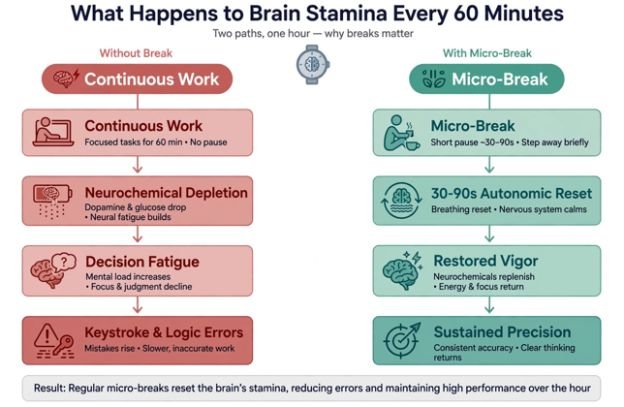
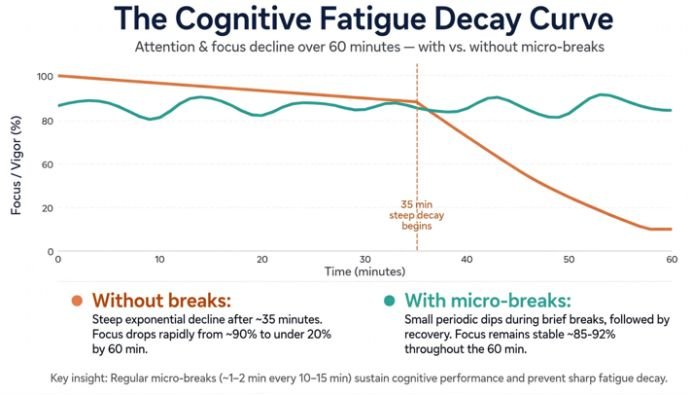
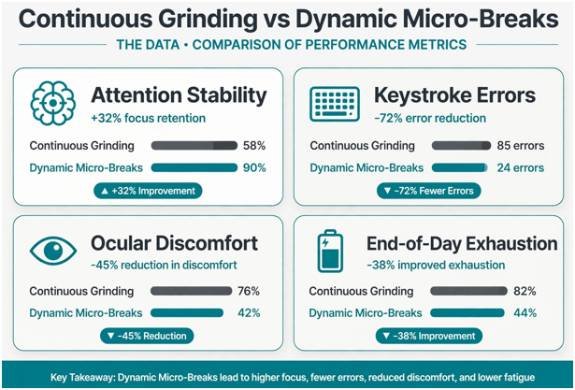
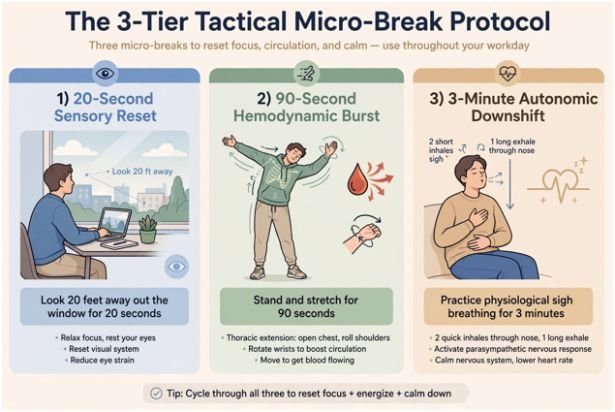
    Managers can also consider the workplace micro-breaks impact on hourly productivity when designing practical ways to give employees short periods of recovery during demanding shifts.

    Workplace conflict needs investigation rather than an attendance warning alone.

    Support should remain reasonable and connected to business needs. Understanding the cause does not mean ignoring repeated policy violations. It allows the manager to choose a response that is more likely to produce lasting improvement.

    Create an Attendance Improvement Plan

    When immediate dismissal is neither appropriate nor justified, establish a written improvement plan. It should state the attendance concern, expected reporting procedure, required level of improvement, support being offered, review period, and possible consequences if the problem continues.

    For example, the employee may be required to arrive for every scheduled shift during the review period, report unexpected absences before a specified time, and contact a designated manager. Expectations should be specific enough that both parties can determine whether progress occurred.

    Understanding how to handle frequent employee absenteeism also means scheduling follow-up meetings. A plan without regular review can quickly become an unused document. Acknowledge genuine improvement and address further violations promptly.

    Document the Process Objectively

    Maintain records of absence dates, notifications, policy discussions, meetings, support offered, agreed actions, and follow-up results. Documentation should contain observable facts rather than labels such as “lazy,” “careless,” or “uncommitted.”

    Accurate records protect both the employee and the organization.

    Managers can use productivity metrics every operations manager should track to see how attendance patterns influence workloads, employee output, and overall operational performance.

    They help demonstrate that decisions were based on a consistent process rather than personal opinion. Sensitive information should be stored securely and shared only with people who genuinely need access.

    Use Progressive Corrective Action

    Use Progressive Corrective Action

    If unexcused absences continue after coaching and support, progressive action may be necessary. Depending on the policy and circumstances, this could move from an informal conversation to a written warning, final warning, or further employment action.

    Every stage should clearly explain what happened, which expectation was not met, what improvement is required, and what may happen next. Corrective action should focus on behavior and policy compliance—not on punishing someone for becoming ill.

    Managers should review whether any absence requires special protection or accommodation before issuing discipline. Complicated cases should not be handled through guesswork.

    Protect the Remaining Team

    Frequent absences affect more than the missing employee. A broader workplace management strategy can help managers coordinate staffing, workloads, workflows, and employee needs so that recurring absences cause less disruption.

    Coworkers may inherit unfinished tasks, lose planned time off, work overtime, or become resentful. Managers should distribute emergency work fairly and avoid repeatedly relying on the most dependable employees.

    Cross-training, backup coverage, documented workflows, realistic staffing levels, and controlled shift swaps can reduce operational disruption. Managers should also explain coverage decisions without revealing the absent employee’s private information.

    Frequently Asked Questions

    1. How should a manager begin an attendance discussion?

    Start with verified attendance records, explain the effect on work, ask whether an underlying issue exists, and then restate the relevant expectations.

    2. How many absences are considered excessive?

    There is no universal number. The answer depends on the attendance policy, role, operational impact, absence type, and whether the time away was approved or protected.

    3. Can flexible scheduling reduce absenteeism?

    It can help when recurring absences are connected to caregiving, transportation, medical appointments, or scheduling conflicts. Any arrangement must remain practical for the role.

    4. What is the fairest way to learn how to handle frequent employee absenteeism?

    Use accurate records, a private conversation, consistent policies, appropriate support, documented expectations, and proportionate corrective action.

    Final Thoughts

    I believe the strongest attendance process combines compassion with firm expectations. Managers should investigate the pattern, listen to the employee, offer appropriate assistance, and clearly explain what must improve.

    When the organization documents facts, protects confidentiality, prepares backup coverage, and applies its policy consistently, it can improve attendance without creating a culture of fear. That balanced approach protects productivity while giving employees a fair opportunity to correct the problem.

  • How to Improve Accountability in Remote Teams Without Added Pressure 

    How to Improve Accountability in Remote Teams Without Added Pressure 

    Remote work changes how managers see progress. In a traditional US office, I can often tell when a project is moving forward through meetings, conversations, and day-to-day visibility. In a distributed team, that visibility disappears unless I intentionally replace it with clear systems.

    That is why learning to improve accountability in remote teams is less about monitoring people and more about creating clarity. I want employees to know exactly what they own, what success looks like, when work is due, and how to communicate when something goes wrong. When managers focus on outcomes instead of constant activity tracking, accountability becomes easier to maintain without damaging trust.

    How Do You Set Clear Expectations for Remote Employees?

    Accountability starts with expectations that employees can actually understand and measure.

    I prefer using SMART goals because they give remote employees a clear definition of success. Goals should be specific, measurable, achievable, relevant, and time-bound. Instead of telling someone to “finish the report soon,” I would define the exact deliverable, deadline, required quality, and business purpose.

    For example, I might say that a monthly marketing report is due Thursday at 3 p.m. ET and must include website traffic, lead generation, conversion performance, and explanations for major changes. That gives the employee a measurable result rather than a vague assignment.

    Role clarity matters just as much. Every project should have a clear owner, and responsibilities should be documented in shared onboarding materials, team charters, or project systems. I also explain why a task matters. When employees understand how their work supports a broader company objective, they are better equipped to prioritize and make independent decisions.

    How Can Remote Teams Track Progress Without Creating More Meetings?

    How Can Remote Teams Track Progress Without Creating More Meetings?

    Managers need visibility, but visibility does not require constant status meetings.

    Shared project management systems can make progress transparent without interrupting employees throughout the day. Tools such as Asana, Trello, or Monday.com can show who owns a task, when it is due, its current status, and whether anything is blocking completion.

    I also find asynchronous communication valuable for distributed US teams working across different schedules or time zones. Written progress updates in Slack or recorded walkthroughs using tools such as Loom can reduce unnecessary meetings while still keeping managers informed.

    The goal is not to collect updates for the sake of collecting updates. I want enough visibility to identify delays early, understand workload, and help employees remove roadblocks.

    This is also why I avoid treating active mouse movement, online status, or hours logged as the primary measure of performance. Those metrics can show activity, but they do not always show meaningful output.

    Should Remote Managers Focus on Outcomes Instead of Logged Hours?

    For many knowledge-based remote roles, outcome-based performance is more useful than tracking every hour of activity.

    I look at completed work, quality, reliability, communication, deadlines, and business impact. If an employee consistently produces strong work, communicates problems early, and meets commitments, those results provide a clearer picture of accountability than whether that person appeared online every minute.

    There are exceptions. Customer service, operations, healthcare support, and other roles may require employees to be available during defined working hours. In those cases, availability remains an important part of the role.

    The key is alignment. Performance measures should match the actual responsibilities of the job instead of relying on surveillance simply because employees work remotely.

    How Often Should Remote Teams Have Accountability Check-Ins?

    A predictable feedback cadence helps employees stay aligned before small problems become missed deadlines.

    I recommend regular one-on-one meetings where managers can discuss priorities, roadblocks, workload, performance, and development. Team check-ins can focus more narrowly on completed work, upcoming priorities, and obstacles that require support.

    Project kickoffs and retrospectives are also useful accountability points. At the beginning of a project, everyone can confirm ownership, goals, deadlines, and dependencies. At the end, the team can review what worked, what caused delays, and what should change next time.

    The most important part is consistency. Employees should know when feedback will happen and what information they are expected to provide.

    How Do You Encourage Remote Employees to Report Problems Early?

    How Do You Encourage Remote Employees to Report Problems Early?

    Accountability does not mean employees never run into problems. It means they raise those problems before they turn into bigger issues.

    I make escalation expectations clear. If an employee realizes a deadline may slip, I want to know before the deadline arrives. An early warning gives the team time to adjust priorities, reassign resources, or solve the underlying problem.

    Managers also need to respond constructively. If employees are punished every time they report a blocker, they may stop sharing problems until it is too late.

    Prompt problem solving works better than blame. I focus on what happened, why it happened, and what needs to change in the process.

    How Do You Build Accountability Without Micromanaging Remote Employees?

    The difference between accountability and micromanagement is control.

    Accountability defines the expected result and gives the employee responsibility for achieving it. Micromanagement dictates every step and repeatedly checks whether the employee is working.

    When I think about improving accountability in remote teams, I focus on four things: clear outcomes, visible ownership, consistent communication, and reasonable autonomy.

    Employees should know when they can make decisions on their own and when they need manager approval. This prevents people from asking for permission unnecessarily while still protecting important business decisions.

    Managers should also model accountability themselves. If I make a mistake, change a priority, or create an unrealistic deadline, I should acknowledge it. Employees are more likely to take ownership when leaders demonstrate the same behavior they expect from everyone else.

    How Can Peer Accountability Strengthen a Remote Team?

    Accountability does not need to flow only from manager to employee.

    Team members can hold one another accountable when responsibilities and expectations are transparent. I like the idea of rotating responsibility for project reviews, status discussions, or retrospective sessions because it gives employees more ownership over the team’s operating rhythm.

    Peer accountability can also improve collaboration. When employees understand how their work affects another person’s deadline, they are more likely to communicate delays early and follow through on commitments.

    Managers should reinforce those behaviors through recognition. When someone consistently delivers on time, raises risks early, helps a teammate solve a problem, or takes responsibility for a mistake, I believe that behavior deserves acknowledgment.

    Recognition makes accountability feel like a positive team standard rather than something managers only discuss when performance goes wrong.

    What Should Managers Do When Accountability Problems Keep Happening?

    What Should Managers Do When Accountability Problems Keep Happening?

    Repeated missed commitments require a deeper look at the cause.

    I first ask whether the employee has clear expectations, adequate training, sufficient resources, realistic workload, and the authority needed to complete the task. A capacity problem can easily look like an accountability problem.

    If those issues are addressed and performance still does not improve, managers should document expectations, missed commitments, feedback, and agreed next steps.

    In a US workplace, managers should follow the organization’s performance-management procedures and involve HR when appropriate rather than making inconsistent disciplinary decisions.

    The goal should always be improvement first. Formal escalation becomes appropriate when reasonable coaching, clarification, and support fail to change the pattern.

    FAQs About Remote Team Accountability

    1. What is the fastest way to improve accountability in a remote team?

    Start by making ownership, deadlines, expected outcomes, and progress visible. Employees should immediately know what they are responsible for and how success will be measured.

    2. What tools are useful for remote team accountability?

    Project management tools such as Asana, Trello, and Monday.com can support task visibility, while Slack and Loom can help teams communicate asynchronously. The most important factor is using the chosen system consistently.

    3. How can managers hold remote employees accountable without monitoring them constantly?

    Managers can define measurable outcomes, establish regular check-ins, use shared progress tracking, and evaluate employees based on completed work, communication, and reliability rather than constant digital activity.

    4. Why is trust important in remote team accountability?

    Trust gives employees room to work independently, while accountability establishes clear standards. Strong remote teams need both. Too much control can damage autonomy, while too little structure can create confusion.

    Conclusion

    Understanding how to improve accountability in remote teams requires changing the way managers think about visibility. Remote accountability should not depend on whether an employee appears active every minute of the workday.

    I believe the strongest system combines SMART goals, clear role ownership, shared progress tracking, asynchronous updates, regular feedback, early escalation, peer accountability, recognition, trust, and effective delegating work practices.

    When US managers create that structure, employees know what success looks like, and managers gain the visibility they need without relying on micromanagement. That balance helps remote teams become more reliable, independent, and productive over the long term.

  • Fair Workweek Compliance Checklist for Multi Unit Businesses

    Fair Workweek Compliance Checklist for Multi Unit Businesses

    Managing hourly schedules across dozens or hundreds of store locations will quickly expose every gap in your labor operations. If you operate retail, hospitality, or quick-service footprints across regulated regions, a standardized fair workweek compliance checklist for multi unit businesses is the only reliable shield against six-figure statutory penalties.

    Having managed corporate labor planning across conflicting municipal borders, I have seen regional managers inadvertently trigger cascading predictability premiums simply by sending two baristas home thirty minutes early. 

    Fair Workweek laws—often called predictive scheduling mandates—vary significantly across jurisdictions like New York City, Chicago, Seattle, and the state of Oregon. When scaling across county and state lines, multi-unit operators cannot rely on store managers memorizing shifting statutory deadlines. Compliance must be built directly into enterprise software rules and store routines.

    Navigating Cross-Jurisdictional Scheduling Across Multi-Unit Portfolios

    A major hazard for multi-unit operators is enterprise aggregation. In cities like Chicago and Seattle, whether your store must comply does not depend on that unit’s headcount alone. Regulators aggregate your global enterprise headcount. 

    A suburban store with nine workers often falls under full city mandates if your corporate entity employs 100 or more people globally.

    Before deploying staff, verify the exact regulatory parameters governing each address in your fleet.

    Jurisdiction Enterprise Headcount Threshold Advance Notice Window Penalty for Employer Cuts Rest Period Between Shifts (“Clopening”)
    New York City 30+ Fast Food units globally; 20+ Retail workers in NYC 14 days (Fast Food) / 72 hours (Retail) Up to $75 per shift cancelled/cut 11 hours minimum; $100 premium if waived
    Chicago 100+ employees globally (50+ in Chicago) 14 days 50% regular rate for unworked hours cancelled within 24 hours 10 hours minimum; 1.25× regular rate if waived
    Seattle 500+ employees globally 14 days 50% pay for hours cut or cancelled 10 hours minimum; 1.5× regular rate if waived
    Oregon (Statewide) 500+ employees globally 14 days 50% pay for unworked hours cancelled/shortened 10 hours minimum; 1.5× regular rate if waived

    For operators managing tight margins, implementing systematic labor compliance serves as one of the most dependable strategies to lower operating costs, eliminating non-productive penalty spending at the store level.

    The Core Fair Workweek Compliance Checklist

    The Core Fair Workweek Compliance Checklist

    Deploy this operational checklist systematically across your workforce management (WFM) tech stack and field management routines.

    Phase 1: Jurisdictional Mapping and Software Architecture

    Phase 1: Jurisdictional Mapping and Software Architecture

    • Audit global headcount thresholds: Verify corporate entity counts against municipal standards outlined by agencies like the Chicago Department of Business Affairs and Consumer Protection.
    • Implement geofenced WFM profiles: Lock store scheduling software to local municipal profiles so a manager in Manhattan cannot accidentally use upstate New York rules.
    • Enforce dynamic system warnings: Configure your scheduling engine to alert managers when shift adjustments encroach upon statutory notice windows.

    Phase 2: Advance Schedule Publication and Written Estimates

    Phase 2: Advance Schedule Publication and Written Estimates

    • Issue Good Faith Estimates (GFE): Provide every new hire with a signed, written estimate of expected weekly hours and typical shift days prior to onboarding.
    • Enforce the 14-day schedule freeze: Finalize and post rosters at least 14 days before the cycle begins (or 72 hours for NYC retail) via physical posting and mobile apps.
    • Log digital delivery timestamps: Maintain electronic delivery receipts proving employees received unhindered access to schedules before the statutory deadline.

    Phase 3: Penalty Avoidance and Predictability Pay Automation

    • Lock automated premium payroll codes: Ensure unexpected shift additions, extensions, or cancellations trigger automated predictability pay on wage stubs without manual manager discretion.
    • Capture written employee consent: Never assign added shifts or short-notice changes verbally; collect digital, timestamped opt-in signatures inside your scheduling portal beforehand.
    • Block unsanctioned “clopenings”: Enforce mandatory 10- to 11-hour rest intervals between shifts, requiring automatic premium wage multipliers if a worker voluntarily waives this rest.

    Phase 4: Internal Access to Hours Protocol

    • Enforce internal-first shift distributions: Review standards from the Seattle Office of Labor Standards and offer newly available shifts to qualified, existing part-time staff before hiring external candidates.
    • Observe statutory internal posting durations: Keep open shifts posted on internal communication channels for the full required window (typically 48 to 72 hours) before opening external listings.
    • Establish multi-store shift pooling: Enable cross-unit workers to pick up nearby hours while configuring software guardrails to prevent unintended overtime triggers.

    Phase 5: Digital Audit Trails and Statutory Recordkeeping

    Phase 5: Digital Audit Trails and Statutory Recordkeeping

    • Archive all schedule variants: Save original draft notices, published versions, and timestamped revisions for at least three to four years in accordance with rules from the Oregon Bureau of Labor and Industries (BOLI) and NYC DCWP.
    • Track employee-initiated swaps separately: Verify that voluntary peer shift trades are flagged as exempt from employer predictability pay penalties.
    • Run automated store compliance dashboards: Monitor store-by-store predictability pay volumes weekly to identify rogue scheduling practices before city auditors intervene.

    Operational Best Practices for Store-Level Execution

    The most common point of operational breakdown occurs between store managers and shift workers. When unexpected absences force a general manager to scramble, they often pressure available workers or grant preferred shifts unevenly. If inconsistent scheduling practices create friction on shift, learning to handle peer conflict among frontline workers quickly restores team stability without triggering schedule alterations that violate local laws.

    Treat your store managers as operators needing rails rather than compliance experts. Restrict a store manager’s ability to edit shifts inside the 14-day window without an approval workflow from your HR or operations director. This simple operational boundary eliminates 90% of predictability pay liabilities within the first month.

    Frequently Asked Questions About Fair Workweek Compliance

    1. Does an employer owe predictability pay if an employee calls out sick?

    No, predictability pay is generally waived if a schedule change occurs because an employee cannot work due to illness, voluntary absence, or mutual peer trade.

    2. Can an hourly employee voluntarily waive their advance notice window?

    An employee may voluntarily agree to accept short-notice shifts, but the employer must still pay applicable statutory predictability pay premiums unless explicitly exempt under local ordinance rules.

    3. How long must multi-unit companies retain scheduling records?

    Most jurisdictions mandate retaining all schedule drafts, timecards, written estimates, and written consents for a minimum of three years.

    4. What happens when an employee agrees to work a clopening?

    The worker must provide explicit written consent, and the employer must pay the required local wage premium for all hours worked inside the rest window.

    Clocking Out: Turning Compliance From a Liability Into Retention

    Fair Workweek laws are often viewed purely as corporate hurdles, but treating them as an operational discipline actually lowers your store turnover. Frontline teams leave when chaotic schedules destabilize their personal lives. 

    By combining clear Good Faith Estimates with automated shift-filling workflows, you protect your enterprise from statutory fines while building an hourly roster that stays. 

    Audit your store scheduling logs this week, identify where manual manager overrides happen most, and lock down your digital guardrails before the next posting cycle.